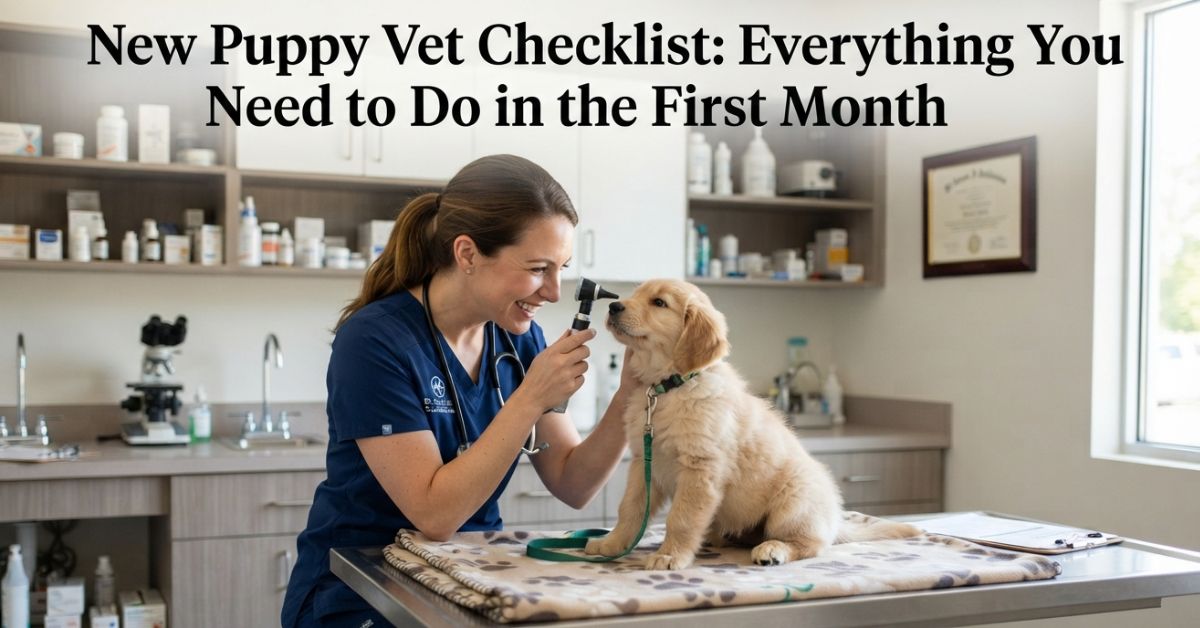


Your dog has been shaking their head more than usual. They keep pawing at one ear. Maybe you’ve caught a whiff of something coming from that direction. These aren’t quirks, they’re signals. Ear infections are one of the most common reasons dogs end up at the vet, and catching them early makes all the difference. Whether you have a floppy-eared Cocker Spaniel or an active Lab who loves to swim, knowing the signs of ear infection in dogs could spare your pet a lot of unnecessary pain. Here’s exactly what to look for.
Why Do Dogs Get Ear Infections?
Understanding the signs of an ear infection will be much easier if you know how the ear works. Generally, a dog’s ear contains a natural balance of both yeast and bacteria. Although yeast and bacteria should coexist, there are many things that can disrupt this balance. For example, ear mites, swimming, allergies (both food and inhaled), hormone disorders (i.e., hypothyroidism), as well as excessive amounts of wax are ways to introduce moisture into a dog’s ear canal, which could lead to yeast or bacterial infection(s). It has been shown that floppy ears and long hair (around the ears) can prevent airflow from drying the ear, therefore making it difficult to maintain a good balance between yeast and bacteria.
The Top 7 Signs of Ear Infection in Dogs
1. Head Shaking That Won’t Quit
An occasional head shake is completely normal. But when your dog is doing it repeatedly throughout the day, something is irritating the ear canal. This is one of the earliest and most reliable dog ear infection symptoms, the body’s attempt to dislodge whatever is causing the discomfort. If the shaking becomes vigorous or constant, don’t wait to book a vet visit. Aggressive shaking can rupture blood vessels in the ear flap and lead to a painful swelling called an aural hematoma.
2. Persistent Scratching at the Ear
Ear infections are itchy. Dogs will scratch at the affected ear with their back paw, sometimes so aggressively that they break the skin around the ear. If you notice your dog returning to scratch the same ear again and again, or rubbing the side of their head along furniture or carpet, that repetitive behavior is a clear red flag worth taking seriously.
3. Visible Redness or Swelling Inside the Ear
Gently fold your dog’s ear flap back and examine the inside. A healthy ear canal should look pale pink, clean, and without any odor. When an ear infection develops, the ear canal tissues will be inflamed and red in appearance, and in some cases, visibly swollen. Knowing how to tell if a dog has an ear infection at home often starts here; redness visible to the naked eye is one of the earliest physical signs that something is wrong. Routine ear maintenance for dogs helps to create a baseline of “normal” so that one can easily identify any changes in the ears when conducting routine ear maintenance.
4. Unusual Discharge from the Ear Canal
A healthy ear canal will produce a small quantity of light brown wax as part of the normal function of the ears. However, it is abnormal to see anything other than light brown wax coming from the ear. Discharge that has a dark, yellow, or chunky appearance, or looks like coffee grounds, would likely indicate the presence of ear mites, while a yellow or green discharge would be indicative of a bacterial ear infection. Yeast ear infections typically produce dark, waxy, chunky debris. Your veterinarian will use a microscope to diagnose the type of ear infection your dog may have, and that microscopic examination will determine what type of treatment will be used, as using a home remedy to treat an ear infection would not provide an accurate diagnosis.
5. Bad Odor Coming from the Ear
Lean in close and take a sniff. A healthy dog’s ear has very little scent. An infected ear, on the other hand, will often have a noticeable, unpleasant smell, sour or pus-like in bacterial infections, musty or yeast-bread-like in fungal infections. If you’re wondering how to tell if a dog has an ear infection and you catch a foul smell during a routine ear check, that odor alone is reason enough to call your vet. The smell is produced by the organisms actively multiplying inside the ear canal.
6. Head Tilt or Loss of Balance
A head tilt, where your dog holds their head at a persistent angle, can indicate the infection has moved beyond the outer ear into the middle or inner ear. Inner ear infections affect the vestibular system, which controls balance, and can cause stumbling, circling, or a drunken gait. This is a more serious presentation and needs immediate veterinary attention. Staying current on essential dog vaccines and scheduling wellness visits regularly helps your vet catch ear conditions before they progress to this stage.
7. Scabbing or Sores Around the Outer Ear
Chronic scratching doesn’t just irritate the inside of the ear; it damages the skin around it. Look for raw patches, scabbing, or hair loss around the base of the ear or on the ear flap. These are signs of prolonged self-trauma, which usually means the infection has been present longer than it may appear. The longer an ear infection goes untreated, the harder it becomes to resolve and the greater the risk of permanent scarring or hearing loss.
A Note on Puppy Ear Infections
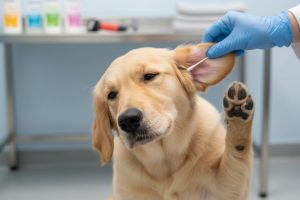
Young dogs aren’t immune. A puppy ear infection can develop for the same reasons as in an adult dog: moisture, ear mites, or early-onset allergies. Puppies may be less expressive about discomfort, so consistent ear checks from an early age are especially important. Getting your puppy used to having their ears handled during grooming makes it far easier to spot changes before an infection becomes entrenched. If you notice any of the above dog ear infection symptoms in a young dog, err on the side of caution and have them seen promptly.
What to Do When You Spot the Signs of Ear Infection in Dogs
The moment you notice one or more of these signs of ear infection in dogs, the right move is to contact your vet, not reach for home remedies. Putting unapproved substances in an infected ear or using the wrong product for the type of infection can cause permanent damage. Your vet will examine the ear with an otoscope, check whether the eardrum is intact, and take a swab to identify the organism responsible under a microscope.
Treatment is matched to the cause: topical antibiotics for bacterial infections, antifungals for yeast, and antiparasitics for mites. Recurrent infections often signal an underlying condition, like allergies, that needs to be managed long-term. Consistent ear care for dogs, regular cleaning with vet-approved solutions, and keeping the ear canal dry after bathing or swimming go a long way in preventing future flare-ups.
Frequently Asked Questions
Can I treat my dog’s ear infection at home?
You should not attempt home treatment without vet guidance. Using the wrong product or inserting anything into an already-inflamed ear canal can cause lasting damage, including eardrum rupture. A vet visit is the only safe starting point.
How do I know if my dog has an ear infection or just dirty ears?
Dirty ears look waxy and may smell faintly, but your dog won’t be bothered by them. An infected ear produces a stronger odor, visible discharge, redness, and behavioral signs like scratching or head shaking. When in doubt, have your vet take a look.
Are some dog breeds more prone to ear infections?
Yes. Breeds with floppy ears (Cocker Spaniels, Basset Hounds, Labrador Retrievers) and dogs with narrow or heavily haired ear canals face a higher risk. A puppy ear infection is also more common in water-loving breeds that regularly swim.
How often should I clean my dog’s ears?
Most dogs benefit from a gentle ear check and clean every two to four weeks, though your vet may recommend more frequent cleaning depending on your dog’s breed and history. Always use a vet-approved ear cleaner and never insert anything deep into the canal.
Think Your Dog Might Have an Ear Infection?
Don’t wait for it to get worse. The team at Allan Veterinary Clinic, offers thorough ear exams and targeted treatment; walk-ins welcome, new patients accepted.
508-638-9030 · 627 Pleasant St, Brockton, MA · allanveterinaryclinic.com
This article is for informational purposes only and does not constitute veterinary medical advice. Always consult a licensed veterinarian for your pet’s diagnosis and treatment.