

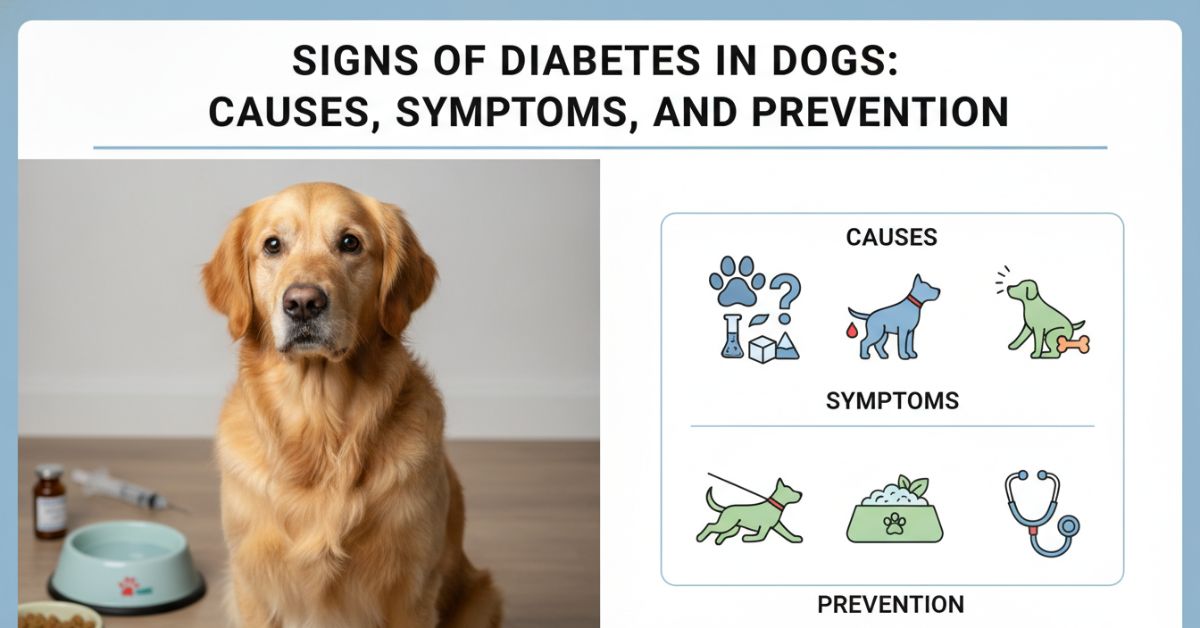
Most people expect a sick dog to show obvious signs, but diabetes often develops quietly. You might notice your pet emptying the water bowl more often or asking to go outside several times a day without thinking much of it. Small changes like these are easy to dismiss until they become impossible to ignore.
Some of the first symptoms of diabetes are so gradual that they barely stand out. A dog may drink a little more water than usual or seem slightly less energetic, making it easy to brush those changes aside. Catching these warning signs early gives your veterinarian a better chance to start treatment before complications develop.
What Is Diabetes in Dogs?
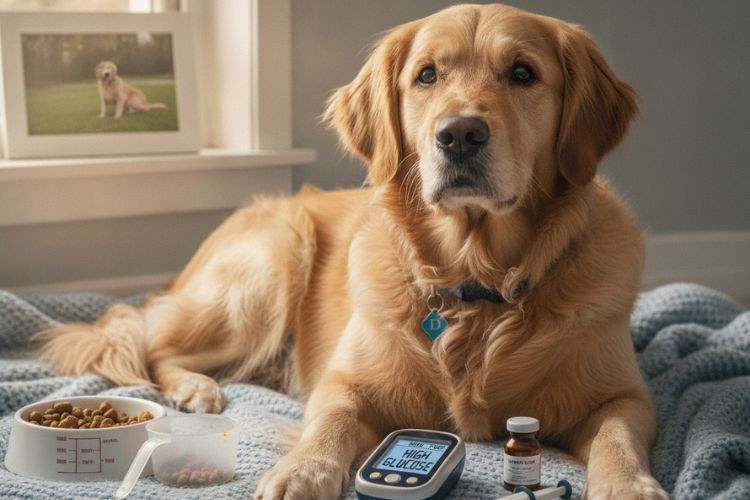
Diabetes is a condition that affects the way a dog’s body uses sugar for energy. Under normal circumstances, insulin helps move glucose from the bloodstream into cells where it can be used as fuel. When there is not enough insulin or the body cannot respond to it properly, blood sugar levels stay too high.
Although there are different forms of the disease, the result is often the same. The body struggles to regulate glucose, leading to noticeable health changes over time. This is why understanding the signs of diabetes in dogs is so important for pet owners.
Common Signs of Diabetes in Dogs
The symptoms rarely appear all at once. In many cases, they develop gradually, making them easy to overlook during the early stages. Paying attention to small shifts in your dog’s habits can help you catch potential problems before they become more serious.
Early Warning Signs to Watch For
One of the earliest signs of diabetes in dogs is increased thirst. You may find yourself refilling the water bowl more often than usual or noticing your dog drinking immediately after finishing a meal.
Frequent urination often follows because the body tries to remove excess sugar through the urine. Some dogs also seem hungrier than normal,l but continue losing weight despite eating well. Reduced energy, longer naps, and less interest in walks can also be among the early signs of diabetes in dogs.
If these changes persist, scheduling a veterinary checkup for dogs is a sensible next step rather than waiting for symptoms to become more severe.
Symptoms That May Develop Later
As the condition progresses, additional problems may appear. Cloudy eyes caused by cataracts are common in diabetic dogs, and recurring skin or urinary tract infections may become more frequent.
These diabetes symptoms in dogs can also include poor coat quality, weakness, and delayed healing after minor injuries. In advanced cases, vomiting or sudden collapse requires immediate veterinary attention. Some owners first recognize the signs of a diabetic dog only after these more serious complications appear, which is why early observation matters so much.
What Causes Diabetes in Dogs?
Diabetes does not usually develop because of one specific trigger. It is often the result of several factors that affect how the body produces or uses insulin over time. Some dogs inherit a higher risk through their genetics, while others become more vulnerable as they get older.
In addition to this, lifestyle and general health might have an effect. Being overweight, suffering from certain hormonal diseases, and pancreatic diseases are all associated with increased chances of having diabetes. At times, taking certain medications for a long time period is also considered a contributing factor.
Supporting your dog’s general health is always worthwhile. Along with a nutritious diet and regular activity, staying up to date with essential dog vaccines and preventive care helps keep your pet in better condition and may make it easier to identify health changes early.
How Diabetes Is Diagnosed?
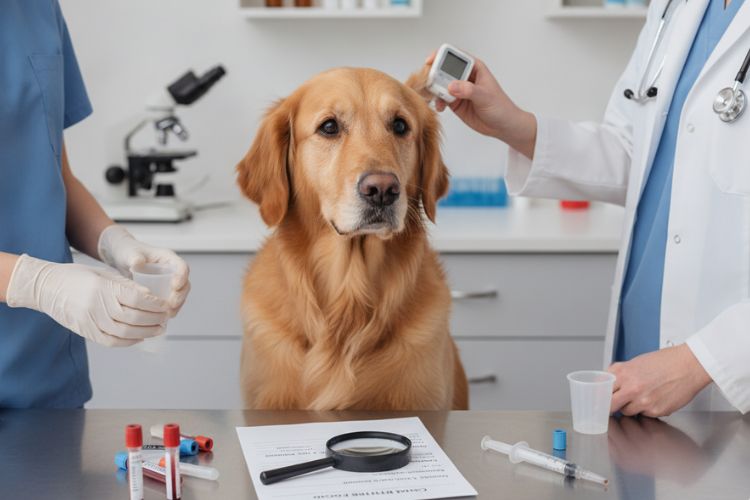
The symptoms alone are not enough to confirm diabetes because other medical conditions can look very similar. That is why veterinarians rely on a combination of physical examinations and laboratory testing before making a diagnosis.
Blood samples are taken to test for glucose content, whereas the presence of glucose in urine is checked. This helps confirm whether the canine diabetes signs are due to diabetes or not. Finding the problem early gives your veterinarian more treatment options and can reduce the risk of long-term complications, allowing many dogs to continue living active and comfortable lives.
Can Diabetes in Dogs Be Prevented?
There is no guaranteed way to prevent diabetes, but healthy daily habits can reduce certain risk factors. Keeping your dog at an appropriate weight, feeding balanced meals, and encouraging regular exercise all contribute to better overall health.
Your role as an owner is just as important. Small changes in drinking habits, appetite, or energy levels are often noticed at home long before they appear during an appointment. Watching for the early signs of diabetes in dogs and discussing them with your veterinarian can lead to earlier diagnosis and treatment if needed.
Final Thoughts
The signs of diabetes in dogs are often subtle in the beginning, which is why they can be mistaken for normal changes related to age or routine. Paying attention to patterns such as drinking more water, asking to go outside more often, or losing weight without explanation can help you spot a problem before it becomes severe.
No one knows your dog better than you do. If something feels different, trust that instinct and have it checked. Taking action early can lead to faster diagnosis, better management, and a healthier future for your pet.
Frequently Asked Questions
What are the early signs of diabetes in dogs?
The early signs may include excessive thirst, more urination, weight loss without any reason, and lack of energy. The early signs of diabetes in dogs generally develop slowly rather than suddenly.
Can diabetes in dogs be cured?
There is currently no cure for most cases of canine diabetes. However, with insulin therapy and proper management, many dogs enjoy a good quality of life.
Which dogs have a higher risk of diabetes?
Middle-aged and older dogs, overweight pets, and certain breeds are more likely to develop the condition. Genetics and existing health problems may also increase the risk.
What is the treatment for diabetes in dogs?
Insulin shots, diet control, and physical activity are usually the main approaches for keeping their glucose levels at normal levels.
Can a dog with diabetes live a happy and healthy life?
Certainly, plenty of dogs lead a full-fledged, active life many years after being diagnosed. Early detection, appropriate therapy, and collaboration with a vet are very important.