
Caring for a dog is more than daily feeding and walks. One of the most important parts of responsible pet care is making sure your dog is properly vaccinated. Many serious illnesses don’t show early signs, which is why prevention matters more than anything else.
If you’ve ever wondered which vaccines actually matter and when to give them, you’re not alone. In this guide, we’ll break down the essential dog vaccines, explain why they are important, and help you understand how to keep your dog protected without confusion.
Why Vaccines Are So Important for Dogs?
Vaccines don’t just treat problems. They help stop them before they even start. They train your dog’s immune system to recognize harmful viruses and bacteria, so the body can react quickly if exposed.
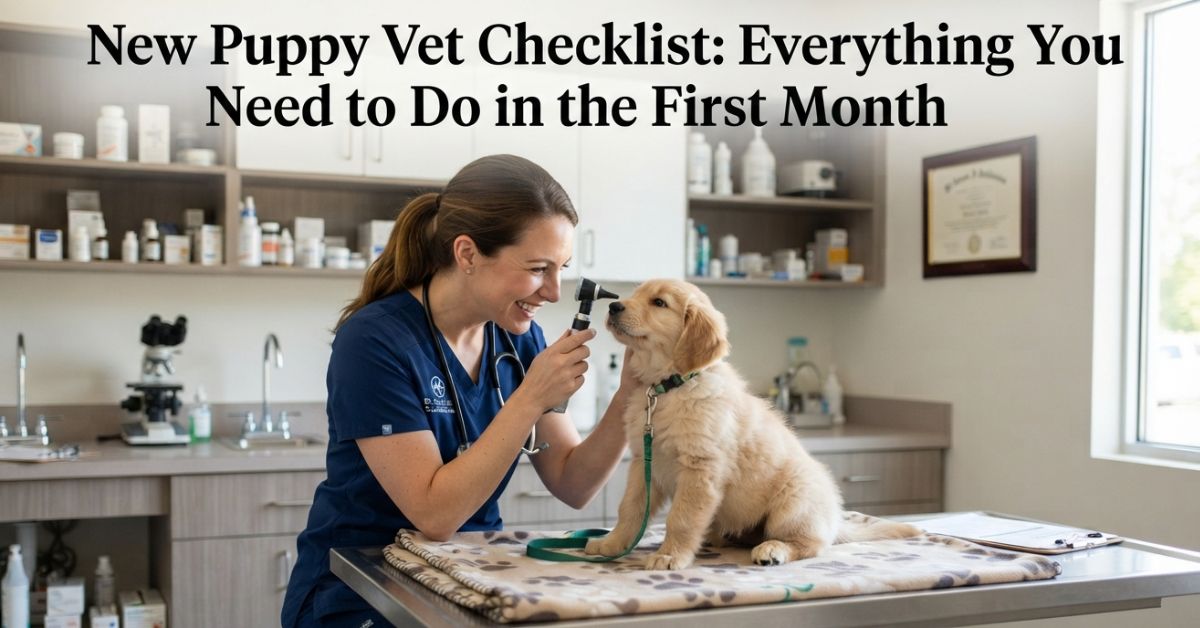
Without this protection, dogs are more likely to catch infections that spread easily and lead to serious health issues. That’s why vets recommend mandatory vaccines for dogs as a key part of long-term care.
Along with staying on schedule, learning a few basic pet first aid tips can also help you handle small situations early and keep your dog safe between vet visits.
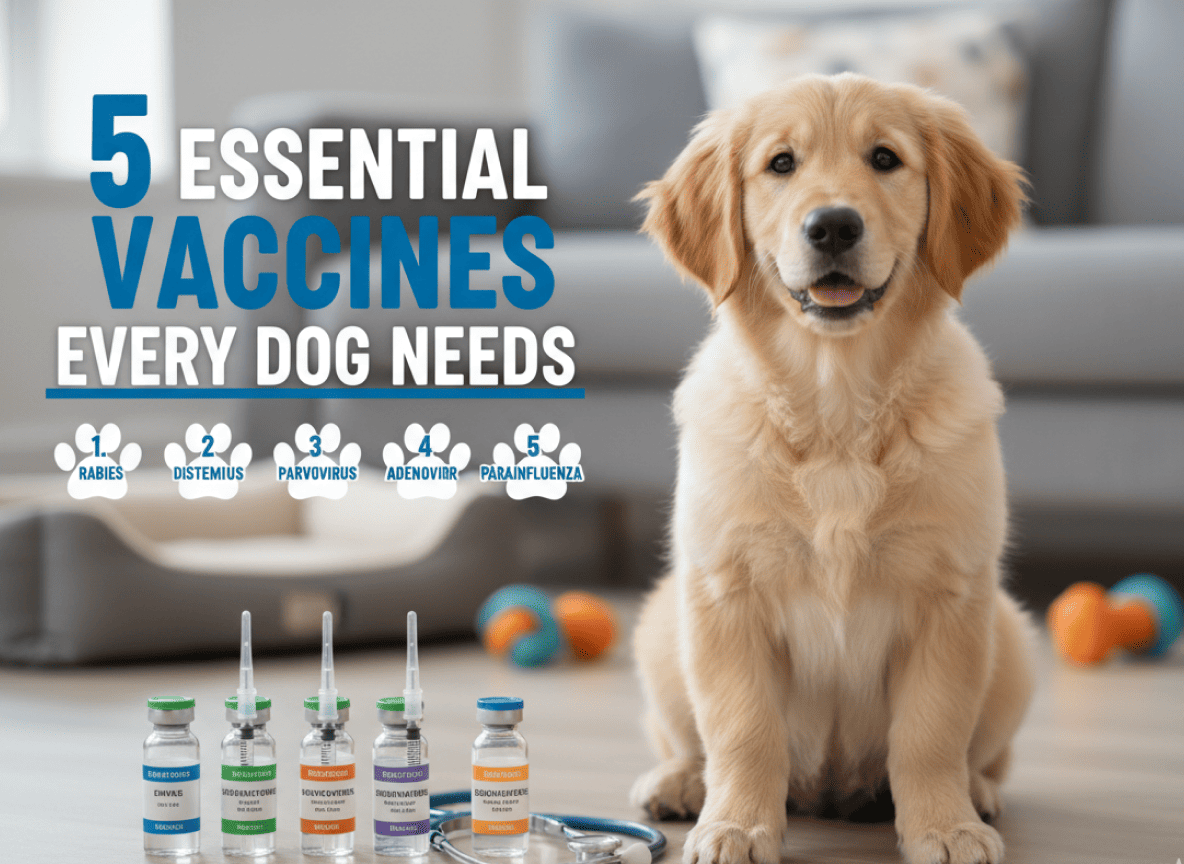
5 Key Vaccines Every Dog Should Receive
Not all vaccines are optional. Some are considered the most important shots for dogs because they protect against common and dangerous diseases. Here are the ones every dog owner should know about:
1. Rabies Vaccine
Rabies is one of the most serious diseases a dog can get. It affects the brain and can be life-threatening. Since it can also spread to humans, this vaccine is required in many places.
Keeping this vaccine current protects not only your dog but also people around them. Booster shots help maintain this protection as your dog grows.
2. Distemper Vaccine
Distemper is not limited to one part of the body. It can affect breathing, digestion, and even the nervous system. Dogs may show signs like fever, fatigue, coughing, or more severe symptoms in advanced stages.
This vaccine plays a key role in preventing a fast-spreading illness. Early protection reduces the risk of complications and supports overall health.
3. Parvovirus Vaccine
Parvovirus spreads quickly, especially among young dogs. It mainly affects the digestive system and can lead to dehydration, weakness, and serious illness if not treated on time.
That’s why this vaccine is given early. It helps protect your dog during a stage when they are more vulnerable and supports healthier growth.
4. Adenovirus (Hepatitis) Vaccine
Adenovirus affects the liver and can cause serious internal damage if not prevented. It may lead to symptoms like fever, fatigue, and loss of appetite.
This vaccine is one of the most important shots for dogs because it protects vital organs and supports overall health. It is often included in combination vaccines for easier administration.
5. Parainfluenza Vaccine
Parainfluenza is a respiratory infection that spreads easily in places where dogs interact, such as parks, kennels, or grooming centers. It can cause coughing and breathing discomfort.
This vaccine is included in many mandatory vaccines for dogs, especially for dogs that spend time in social environments. It helps keep your dog active and comfortable.
Simple Tips to Keep Your Dog Protected
- Keep a record of your dog’s vaccinations so you always know what’s done and what’s next.
- Follow your vet’s schedule and avoid delaying booster shots.
- Trust your vet’s advice instead of adding extra vaccines on your own.
- Check requirements if your dog visits parks, groomers, or boarding places.
- Review your dog’s vaccine plan if their routine or environment changes.
- Keep an eye on your dog after vaccines and watch for anything unusual.
Taking care of your dog doesn’t stop at vaccines. Regular checkups and early care also help keep your pet healthy throughout the year. Staying informed and consistent with essential dog vaccines is one of the simplest ways to protect your dog. With the right routine, your dog can stay active, comfortable, and well cared for at every stage of life.
What to Expect After Vaccination?
After getting vaccinated, most dogs settle back into their normal routine pretty quickly. You might notice small changes like feeling a bit tired, eating less than usual, or slight swelling where the shot was given.
These reactions are common and usually pass within a day or two without any treatment. Just give your dog some rest and keep things calm for a while.
At the same time, stay alert for any pet health warning signs such as difficulty breathing, swelling, or unusual behavior. If something doesn’t feel right, it’s always best to contact your vet right away.

Do All Dogs Need the Same Vaccines?
Not exactly. While core vaccines are recommended for all dogs, others depend on lifestyle.
For example:
- Indoor dogs still need core vaccines
- Social dogs may need extra protection
- Outdoor dogs may need additional coverage
Your vet will guide you on the right essential dog vaccines based on your dog’s routine.
Final Thoughts
Good pet care is not about doing everything at once. It’s about staying consistent with the little things that matter. Vaccinations are one of those small steps that quietly protect your dog from serious health risks and unexpected problems.
When you stay regular with essential dog vaccines, you give your pet a stronger and more secure life. It also helps you stay more in tune with your dog’s needs. With simple routines and a bit of attention, your dog can stay happy, active, and well cared for at every stage.
FAQs
1. When should I start vaccinating my puppy?
Around 6–8 weeks, followed by multiple doses over time.
2. Are all vaccines necessary?
Core vaccines are essential, while others depend on lifestyle.
3. How often does my dog need boosters?
Some every year, others every few years, depending on the vaccine.
4. Are vaccines safe?
Yes, most dogs experience only mild and short-term effects.
5. Can indoor dogs skip vaccines?
No, infections can still reach them through indirect exposure.