
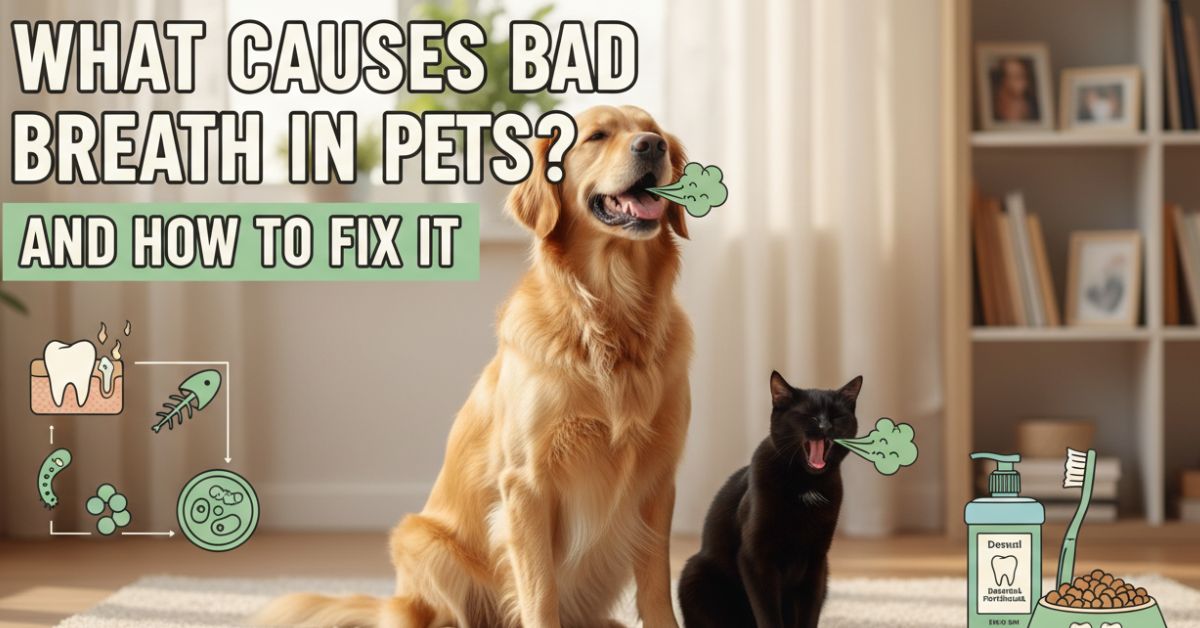
Your dog races over for a morning greeting and, wow. That smell. It’s not just “dog breath.” It’s something sharper, something that makes you turn your head. If that moment sounds familiar, you’re not alone. Bad breath is one of the most common concerns pet owners raise at the vet, yet most people write it off as normal. It isn’t. Understanding the causes of bad breath in dogs is the first step to fixing it, and in some cases, it could protect your pet’s life.
The Most Common Culprit: Dental Disease
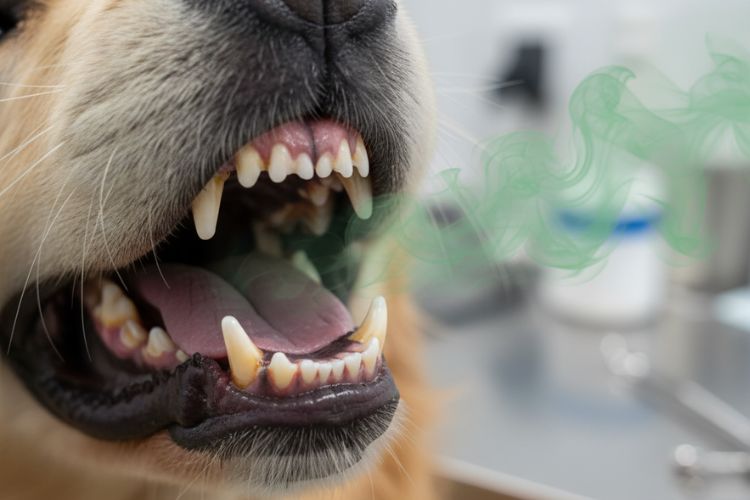
If your dog’s breath has taken a turn for the worse, periodontal disease is the first place to look. By age three, the majority of dogs already show early signs of gum disease, and most owners have no idea. Bacteria accumulate on the tooth surface, forming plaque that hardens into tartar. Left unchecked, this triggers gum inflammation, tooth decay, and persistent odor that no treatment or chew can fully mask.
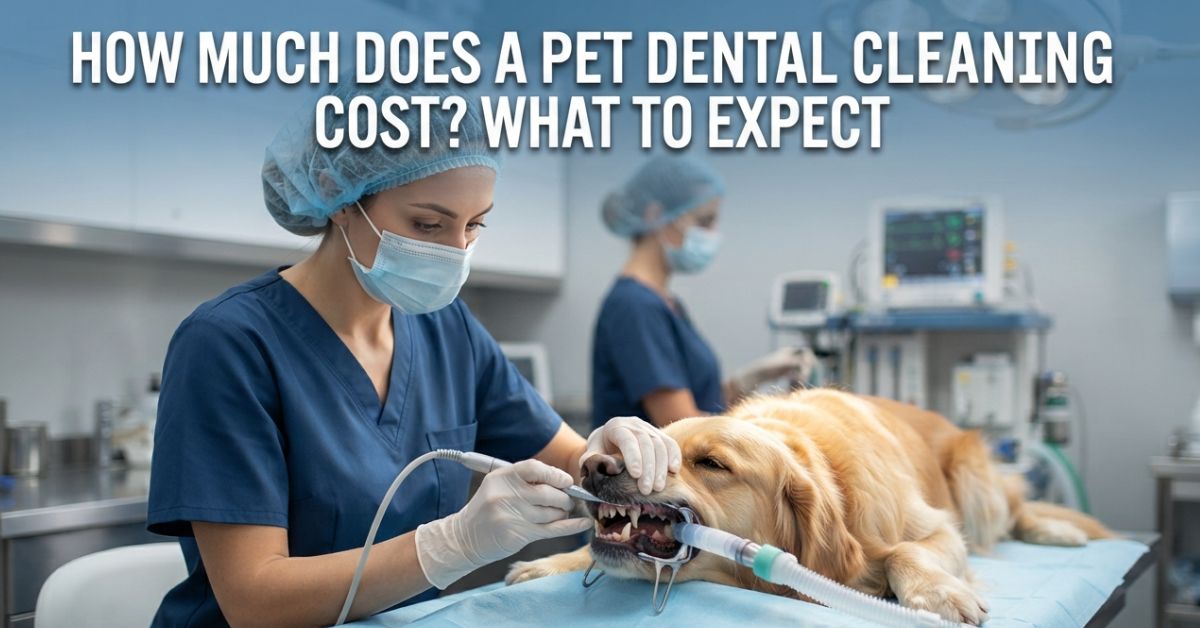
The best thing for a dog’s bad breath caused by dental disease is professional intervention. A dental pet cleaning performed under veterinary supervision removes built-up tartar from above and below the gumline, the areas a toothbrush simply can’t reach. Pair that with daily brushing at home, and you’ll see (and smell) a real difference.
What Does Sudden Bad Breath in Dogs Signal?
Not all bad breath develops gradually. Sudden bad breath in dogs, odors that appear out of nowhere and smell unusually sweet, metallic, or like urine, are a red flag that goes beyond the mouth. These smells often point to internal organ problems that deserve urgent attention:
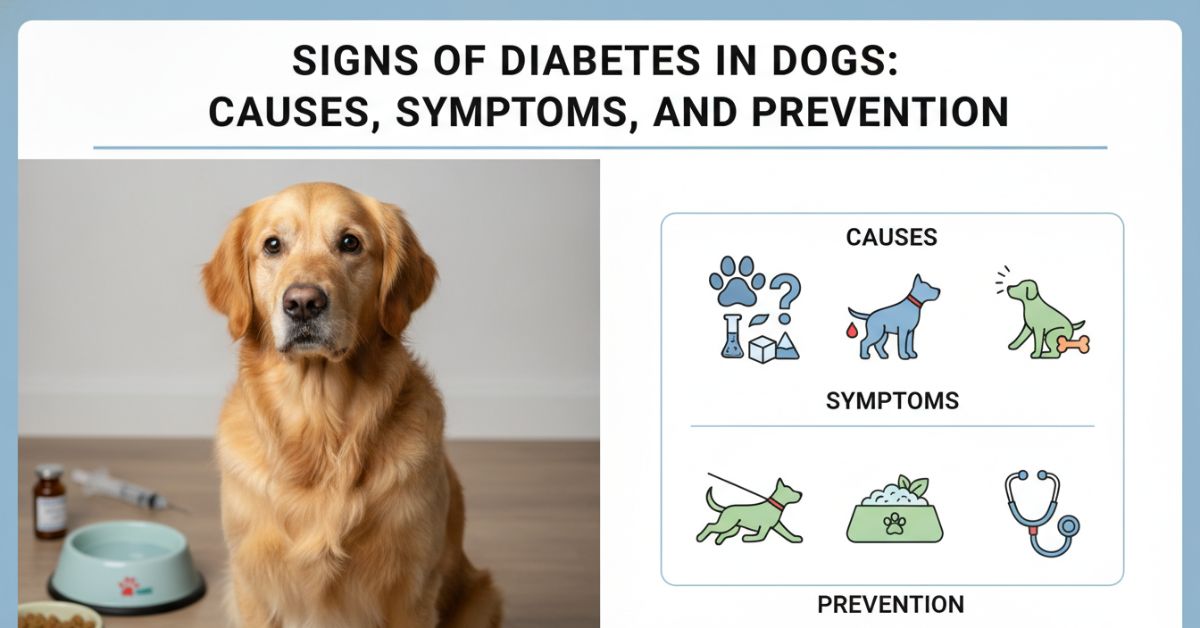
- A sweet or fruity odor can indicate diabetes, where the body burns fat instead of glucose and produces ketones as a byproduct.
- A urine-like or ammonia smell often points to kidney disease, where failing kidneys can no longer filter waste efficiently from the blood.
- A particularly foul or rotten odor accompanied by vomiting or yellowing of the skin may suggest liver disease, which disrupts normal detoxification.
In these cases, a dog routine checkup is not optional; it’s urgent. Each of these conditions requires veterinary diagnosis and targeted treatment, not home remedies.
Other Causes of Bad Breath in Dogs Worth Knowing
Beyond dental disease and organ issues, the causes of bad breath in dogs include a few other culprits that are easy to overlook. Diet plays a bigger role than most people expect. Certain proteins, canned food, and even the habit of eating things they shouldn’t (garbage, feces, dead animals) all produce strong, unpleasant odors that linger far longer than you’d like.
Oral tumors are another less-discussed cause. Growths in the mouth can trap food, bacteria, and decaying tissue, producing an odor that smells distinctly different from standard dental bad breath. If your dog’s breath has a rotting or tissue-like smell and doesn’t respond to dental care, have your vet examine the mouth thoroughly for any unusual masses.
Dog Bad Breath Cure: What Actually Works
In all sincerity, there is no one-size-fits-all solution to eliminate “bad breath” from your dog. The solution will be dependent on the reason for the bad breath. Dental sprays and dental chews may temporarily freshen the breath, but they do not fix disease of the gums, problems with the organs, or tumors in the mouth. You can chase the symptom without finding the cause of the problem, but this is just a temporary fix at best.
However, there is a real possibility that the majority of dogs will have bad breath due to disease in the mouth. Therefore, if you develop an oral hygiene routine that is consistent and you have your dog professionally cleaned once in a while, this will really change the situation of your dog’s bad breath in the long run. You can provide daily care through the use of Veterinary Oral Health Council (VOHC) approved dental chews, enzymatic toothpaste, and/or water additives in between your periodic visits to the veterinarian, who can recommend the best products for your dog.
Treatment for Bad Breath in Dogs: Your Vet’s Role
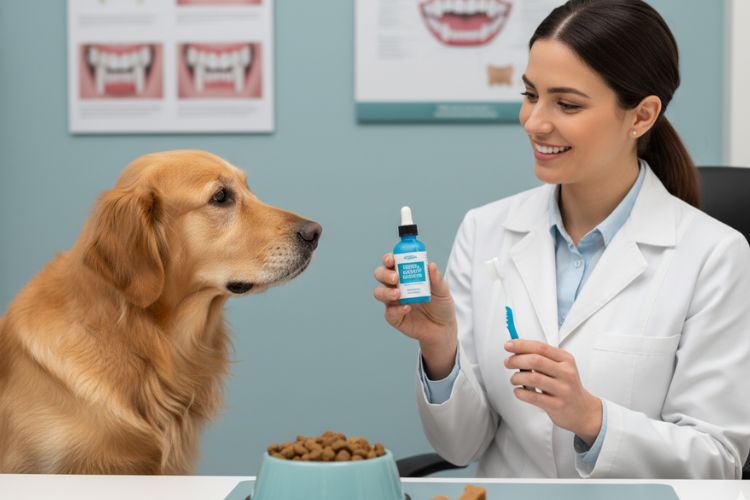
No matter how confident you feel about the cause, treatment for bad breath in dogs should always begin with a professional examination. Your vet will check the teeth, gums, tongue, and throat, and may recommend bloodwork or urinalysis if an internal cause is suspected. This gives you a diagnosis, not a guess.
At Allan Veterinary Clinic, pet dental cleaning is available as part of our commitment to complete pet wellness. Whether your dog needs a routine scale and polish or a more detailed oral exam, our team will help you understand exactly what’s driving the odor, and map out a treatment plan that makes a lasting difference. Treatment for bad breath in dogs works best when it starts early, before small problems become serious ones.
Frequently Asked Questions
Is bad breath in dogs always a sign of something serious?
Is it true that all instances of dogs having bad breath would essentially indicate a serious ailment?
Not completely, but it is not a sign that can just be overlooked. The majority of instances of dogs having bad breath can usually be traced back to dental disease, which can be treated effectively. On the contrary, sudden or excessively strong odors could indicate some type of kidney, liver, or metabolic condition that would require immediate medical attention. If there is any question, always schedule an appointment with your veterinarian.
What is the best thing for a dog’s bad breath at home?
Daily brushing with pet-safe enzymatic toothpaste is the single most effective at-home habit. VOHC-approved dental chews and water additives provide solid support in between. None of these replaces a professional pet dental cleaning, but they significantly slow the buildup of plaque and tartar.
Why does my dog have sudden bad breath out of nowhere?
Sudden onset of bad breath may pose a greater risk than progressive bad breath. A dog with a sweet or fruity odor may have diabetes; a dog with an ammonia-like odor or urine-like odor may have kidney issues; and any dog that has foul breath and is vomiting may have a liver disorder. Rather than waiting to see if the problem resolves, please schedule an appointment with your veterinarian promptly.
How often should my dog have a professional dental cleaning?
The consensus amongst veterinarians is that a dental visit is recommended at least once per year; however, it is advisable for those dogs who tend to have dental disease to have dental cleanings performed more frequently. Your veterinarian can recommend the appropriate dental cleaning timeframe based on the breed, age, and dental health history of your dog. The best overall outcome for your dog will likely occur by combining the routine with daily at-home dental care.
Ready to Tackle Your Pet’s Bad Breath?
The team at Allan Veterinary Clinic in Brockton, MA, is here to help, from routine dental exams to full treatment plans. Walk-ins welcome; new patients accepted.
508-638-9030 · 627 Pleasant St, Brockton, MA · allanveterinaryclinic.com
This article is for informational purposes only and does not constitute veterinary medical advice. Always consult a licensed veterinarian for your pet’s diagnosis and treatment.