
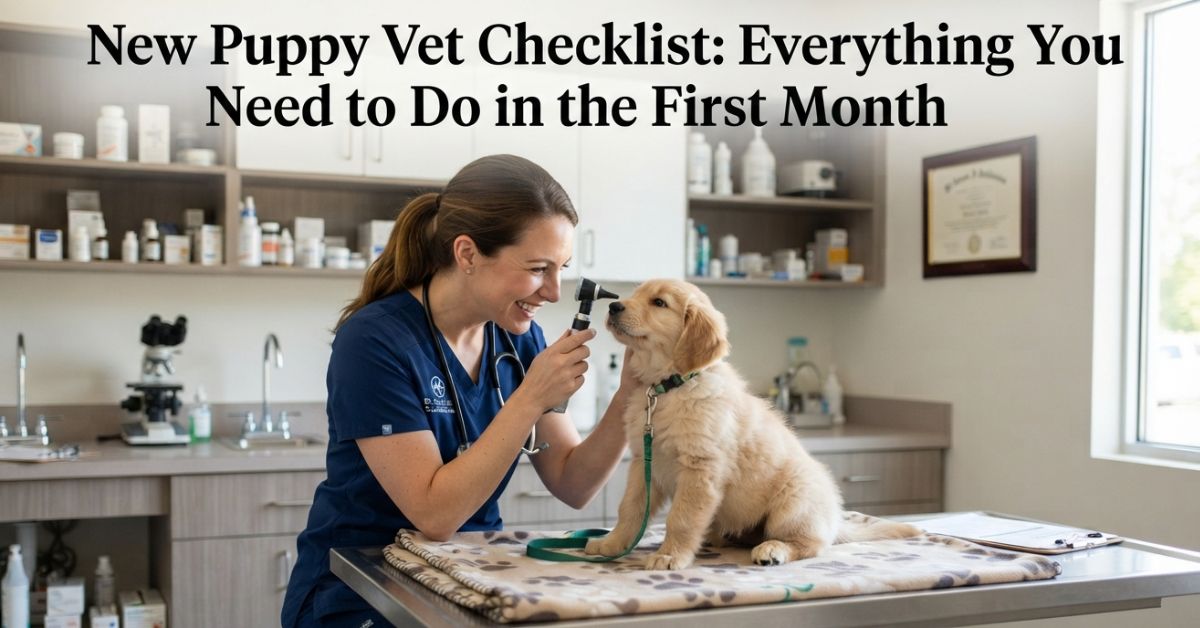
Bringing home a new puppy is exciting, but it also comes with many responsibilities. The first few weeks are an important time for building healthy habits and making sure your puppy gets the care they need to grow and thrive. Following a new puppy vet checklist helps you stay organized while ensuring nothing important is overlooked.
From scheduling your puppy’s first veterinary appointment to starting vaccinations and parasite prevention, every step supports your puppy’s long-term health. This guide explains what to expect during the first month and provides practical advice to help you feel prepared from day one.
Schedule Your Puppy’s First Vet Visit Right Away
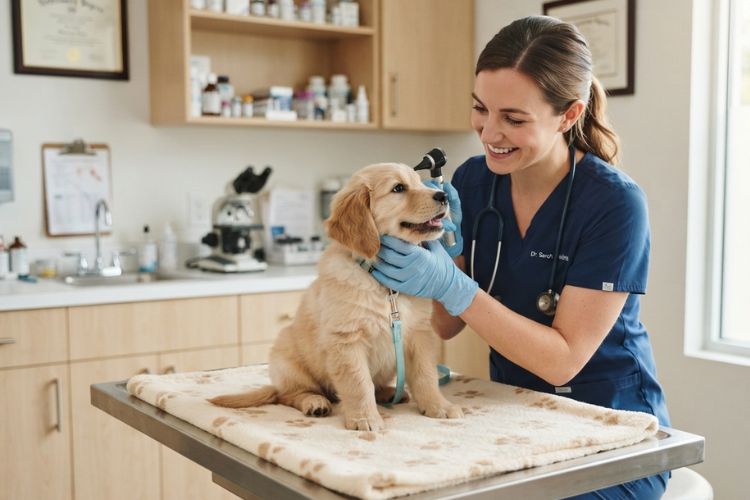
One of the first things you should do after bringing your puppy home is schedule a puppy’s first vet visit. Most veterinarians recommend seeing a puppy within a few days of adoption or purchase, even if they appear healthy. Early examinations help identify health concerns that may not be visible at home and allow your veterinarian to create a preventive care plan.
Before the visit, collect any vaccination records, breeder details, past medical history, and a fresh stool sample. This preparation will help the veterinarian understand the overall health status of the dog and start making a list for new puppies visiting the vet for the first time.
What Happens During the First Health Check?
Your puppy’s first examination is an important part of first-month puppy care. During this visit, your veterinarian evaluates your puppy’s overall health, checks for any early concerns, and performs several important assessments before recommending the next steps in their care.
-
Full Physical Examination
This process starts with a physical examination. The vet examines all the parts of your puppy, including the eyes, ears, nose, mouth, skin, fur, joints, heart, lungs, and abdomen. This examination is an essential component of every new puppy vet checklist.
-
Weight and Growth Assessment
Monitoring weight during the first few months helps ensure your puppy is growing at a healthy rate. Your veterinarian will record your puppy’s current weight, evaluate body condition, and recommend a feeding plan based on breed, age, and expected adult size.
-
Heart, Lungs, Eyes, Ears, and Teeth Check
An examination can help identify any early symptoms that may be a sign of any congenital diseases or even an infection. It is important to note the condition early in order for treatment to take place before the puppy’s health is affected.
-
Parasite Screening
Parasites are quite common in young puppies despite the lack of any apparent signs. In order to find out whether your puppy has parasites, your vet will probably ask you to get a stool sample done. It is one more step that should be on your list of puppy vet visit preparations.
-
Discussing Medical History
Your vet will discuss your puppy’s vaccination history, prior medications, dietary habits, and any observations you may have made since getting your puppy. This discussion is necessary for formulating an effective treatment regimen for your puppy.
Keep Vaccinations on Schedule
Vaccinations are one of the most important parts of protecting your puppy against serious infectious diseases. During the puppy’s first vet visit, your veterinarian will review previous vaccines and explain which boosters are needed over the coming weeks.
Because puppies receive immunity from their mother’s milk for only a limited time, vaccinations must be given on schedule to provide continued protection. Following your veterinarian’s recommended timeline is one of the most valuable new puppy care tips you can follow during the first few months.
Don’t Skip Parasite Prevention
Parasite prevention starts from the early stages of your dog’s life and lasts till the end of his life. Puppies are highly susceptible to different parasites like worms, fleas, ticks, and heartworms.
Your vet may prescribe deworming medication, flea and tick prevention, heartworm prevention, and routine fecal examinations depending on the age of your puppy, his lifestyle, and local parasite risk factors. These treatments are very beneficial for protecting your puppy and preventing the spread of parasites to other animals.
Build Healthy Nutrition and Feeding Habits
Balanced nutrition plays an important role in the development of bones and muscles as well as the formation of the immune system. Talk to your vet about a good puppy food for your puppy, taking into consideration its breed, age, and future adult size. Changes in the diet may upset a puppy’s stomach.
Establishing a consistent feeding schedule is one of the most practical new puppy care tips for first-time owners. It is important to provide fresh water at all times, while healthy weight evaluations at the veterinarian will ensure that your puppy is developing properly.
Start Training and Socialization Early
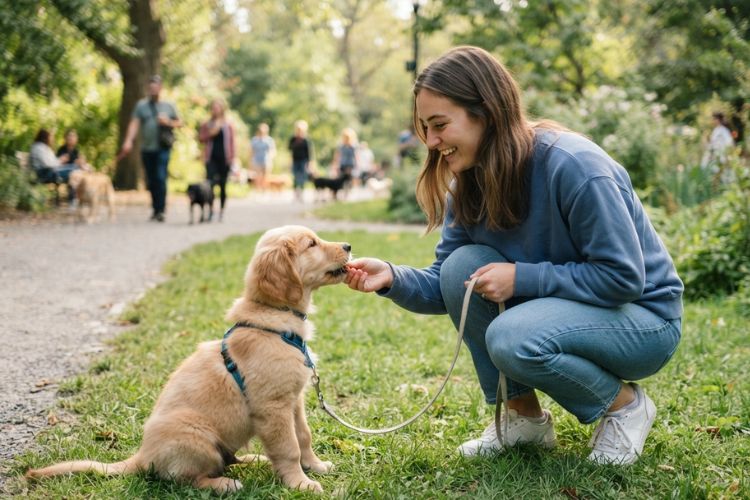
The first few months are when you need to socialize your puppy to its surroundings the most. Exposing it to various people, sounds, and environments under safe conditions will help it grow into a more well-adjusted animal.
Basic training should also begin early. Teaching simple commands, encouraging good behavior with rewards, and introducing crate and house training all contribute to successful first month puppy care. Keep training sessions short, positive, and consistent to help your puppy learn without becoming overwhelmed.
Monitor Your Puppy’s Health at Home
Your vet will only examine your puppy during its appointed visits, but it is equally crucial to keep track of its activities at home. This could help you spot any unusual signs that your puppy might not be feeling well.
Learning a few pet first aid tips can also help you respond calmly to minor emergencies until veterinary care is available. While first aid is never a substitute for professional treatment, knowing how to handle common situations can provide valuable support when unexpected problems arise.
Your First-Month Puppy Checklist
The first month passes quickly, and keeping track of important tasks makes it easier to stay on schedule. Use this checklist as a simple reminder during your puppy’s first few weeks at home.
- Book an appointment with the vet.
- Conduct a physical checkup of your puppy.
- Complete the vaccination program.
- Establish parasite control measures.
- Provide a balanced diet.
- Introduce socialization and training.
- Keep track of his development and health.
- Make follow-up appointments as recommended.
Following this new puppy vet checklist helps ensure your puppy receives timely preventive care while supporting healthy development from the very beginning.
Why Does Ongoing Veterinary Care Matter?
The initial visit is just the start of your puppy’s medical care. Through regular checkups, the vet can monitor growth, change the schedule of vaccinations, and detect any health problems early.
Establishing pet primary care early helps build a long-term relationship with your veterinary team while giving your puppy the best opportunity to stay healthy throughout every stage of life. Continuing your new puppy vet checklist beyond the first month creates a strong foundation for lifelong wellness.
Final Words
The first month with a new puppy is filled with important milestones. From scheduling the first appointment to keeping vaccinations on track and building healthy daily routines, every step contributes to your puppy’s future health and well-being.
Looking for trusted veterinary care as your puppy grows? Allan Veterinary Clinic provides wellness exams, vaccinations, preventive care, and personalized guidance to help puppies get the healthiest possible start and continue thriving through every stage of life.
FAQs
When should a new puppy have its first vet visit?
Puppies need to visit the vet within a week of bringing them home for a full physical check-up and to create a care schedule.
What vaccines does a puppy need during the first month?
Your veterinarian will recommend vaccines based on your puppy’s age and previous vaccination history. Core vaccines are typically given in a series over the first several months.
How often should puppies be dewormed?
The schedule varies depending on your puppy’s age and parasite risk. Your veterinarian will recommend an appropriate deworming plan.
What should I bring to my puppy’s first appointment?
Take vaccination documentation, breeder/adoption papers, past medical history documents, and a fresh fecal sample if requested by the veterinarian.
Why is preventive veterinary care important for puppies?
Regular visits allow for early detection of potential problems, proper scheduling of vaccinations, monitoring of growth, and advice that will ensure good health throughout life.