
A healthy mouth is an important part of your pet’s overall well-being, yet dental care is often overlooked until problems become noticeable. One of the most common questions pet owners ask is about the pet dental cleaning cost and what the procedure actually includes. The answer depends on your pet’s oral health, the treatments required, and the veterinary clinic performing the procedure.
Professional pet teeth cleanings not only help to keep your pet’s breath fresh but also help to get rid of tartar and plaque under the gum line, which helps to avoid painful dental diseases. Knowledge of the pet teeth cleaning cost and what affects it may help you prepare for your pet’s next appointment.
Average Pet Dental Cleaning Cost
The pet dental cleaning cost varies depending on whether your pet needs a routine cleaning or more advanced dental treatment. A standard professional cleaning for dogs or cats typically ranges from $300 to $700, while procedures involving dental X-rays, tooth extractions, or advanced treatment can exceed $1,500. Regular dental care for dogs and cats can help prevent serious oral health problems and reduce the need for more extensive procedures over time.
| Procedure | Typical Cost Range |
| Routine dental cleaning | $300–$700 |
| Advanced dental cleaning with treatment | $700–$1,500+ |
| Tooth extraction (when needed) | Additional cost |
| Dental X-rays | May be included or billed separately |
The dog dental cleaning cost is often influenced by the dog’s size because larger pets usually require more anesthesia and longer procedure times. Similarly, the pet dental cleaning cost for cats may increase if underlying dental disease requires additional care.
What Factors Affect the Cost?
Several factors determine the final price of a professional dental cleaning. Understanding these variables helps explain why estimates may differ from one clinic to another.
-
Your Pet’s Size and Age
Larger pets generally require more anesthesia and monitoring during the procedure, which can increase the dog dental cleaning cost. Older pets may also need additional blood work or diagnostic testing before anesthesia to ensure they can safely undergo treatment.
-
Current Dental Health
Pets with mild plaque buildup usually require less treatment than those with advanced periodontal disease. If loose teeth, infections, or damaged teeth are discovered, the pet dental disease treatment cost can increase because additional procedures may be necessary.
-
Anesthesia and Monitoring
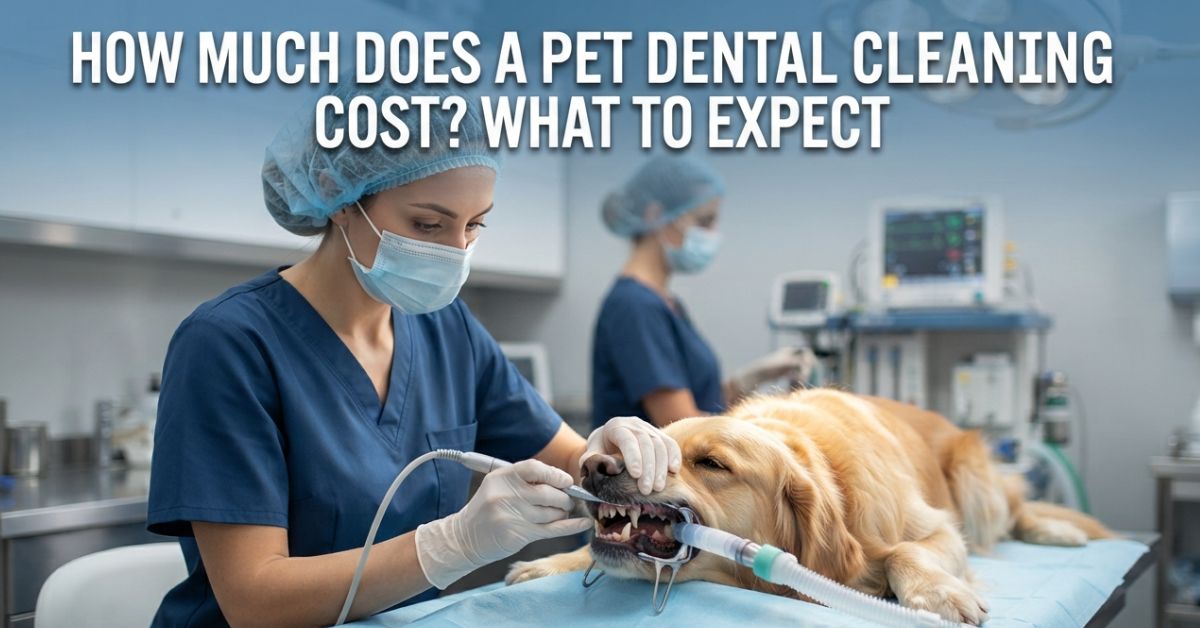
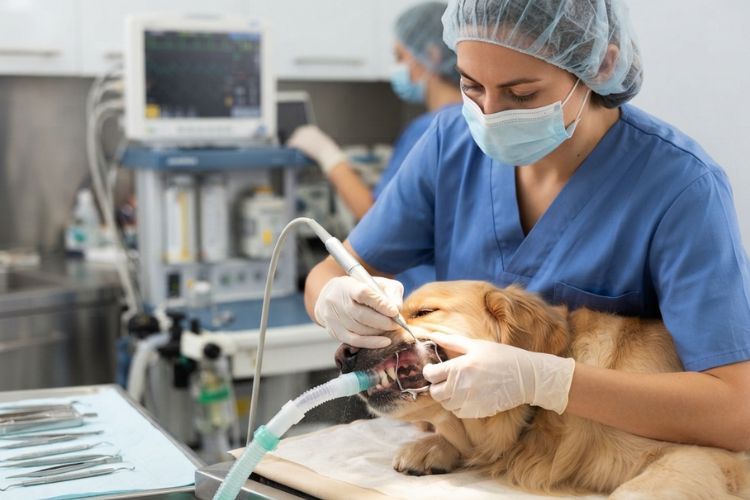
Professional dental cleanings are performed under general anesthesia so veterinarians can safely examine and clean every tooth, including areas below the gumline. Continuous monitoring throughout the procedure is included in many treatment plans and is an important part of the overall pet dental cleaning cost.
-
Dental X-Rays
X-rays of the teeth enable veterinarians to detect problems underneath the gum line, such as bone loss, infection of the tooth roots, and broken teeth. Most veterinarians who specialize in dentistry recommend that dental X-rays be taken at each professional teeth cleaning due to the issues that they can uncover.
-
Tooth Extractions or Additional Treatment
If removal of the teeth becomes necessary due to infections or injuries, then the pet dental disease treatment cost is bound to be more than the expense for a normal cleaning process. Other possible treatment options will also contribute to the overall cost of the procedure.
-
Geographic Location
Veterinary fees vary depending on where you live. Clinics in metropolitan areas often have higher operating costs than those in smaller communities, which can influence both the pet dental cleaning cost and the dog dental cleaning cost.
What’s Usually Included in a Professional Dental Cleaning?
Before going into the cost comparisons, you need to know what usually makes up a typical professional dental cleaning. Although the process may differ from clinic to clinic, most processes have certain important procedures.
Most professional dental cleanings include:
- A complete physical examination
- Pre-anesthetic evaluation or blood work
- General anesthesia
- Full oral examination
- Scaling above and below the gumline
- Tooth polishing
- Dental X-rays (at many clinics)
- Recovery monitoring
- Home care instructions after the procedure
These services contribute to the overall pet dental cleaning cost, but they also help identify problems early before they develop into more serious conditions.
Services That May Increase the Final Bill
Routine cleanings are only part of the picture. If your veterinarian discovers advanced dental disease during the procedure, additional treatment may be recommended. Tooth extractions, biopsies, medications, and specialized dental procedures can all increase the final cost. This is why requesting a detailed estimate before the appointment is always a good idea.
Understanding the possible additional charges also helps pet owners prepare financially while ensuring their pets receive the treatment they need.
How to Prepare Your Pet Before the Appointment?
Preparing your pet before a dental procedure helps the appointment go more smoothly and allows the veterinary team to provide safe care. Your veterinarian will give you specific instructions, but there are a few general steps that most pet owners should expect.
Clinics generally advise fasting your pet prior to administering anesthesia, informing you about the current medications being used or any health conditions, and also requesting a written estimate of the entire cost of pet dental cleaning beforehand.
Signs Your Pet May Need a Professional Dental Cleaning
Dental disease often develops gradually, and many pets continue eating and behaving normally even when they are experiencing discomfort. Recognizing the signs your pet needs a dental cleaning early can prevent more serious oral health problems.
One of the earliest warning signs is bad breath in pets. While many owners assume unpleasant breath is normal, it is often one of the first indicators of plaque buildup or periodontal disease. Other symptoms include red or swollen gums, yellow or brown tartar on the teeth, excessive drooling, difficulty chewing, dropping food, or loose teeth. If you notice any of these signs, your pet needs a dental cleaning. Scheduling a veterinary examination promptly can help prevent the need for more extensive treatment later.
Can Pet Insurance or Wellness Plans Help Cover the Cost?

Many wellness plans offer preventative dental cleaning services, while most traditional pet insurance plans will only cover dental illness or accidents. Policies differ among companies, so it is crucial to go over your plan before arranging an appointment.
If your pet suffers from a severe dental condition, some dental procedures might not be covered since the issue would be regarded as a pre-existing condition. Knowing your limits on reimbursement and exclusion policies beforehand could help you better handle the price of pet dental cleaning.
Why Delaying Dental Care Can Become More Expensive?
Postponing professional dental care may seem like a way to save money, but untreated plaque and tartar continue to build over time. As dental disease progresses, pets are more likely to require tooth extractions, medications, and additional procedures that increase the overall treatment cost.
Regular dentistry for pets will keep most of these issues from becoming serious health problems. Not only will the treatment be less extensive,e but it will also be less painful to your pet and less expensive for you.
Final Words
Understanding the pet dental cleaning cost allows you to plan ahead while giving your pet the preventive care they need. Comparing estimates, knowing what is included, and recognizing the early signs of dental disease can help you make informed decisions that protect both your pet’s health and your budget.
Allan Veterinary Clinic encourages preventive dental care as part of routine wellness visits. Early dental evaluations and professional cleanings can help identify oral health problems before they become more serious, supporting healthier smiles and a better quality of life for dogs and cats.
FAQs
What is the usual price for a pet dental cleaning?
Standard dental cleanings cost between $300 and $700, but if the process involves tooth extraction or any other complicated treatment, you can expect to pay more.
Why is dog dental cleaning more expensive for some pets?
Larger dogs, advanced dental disease, tooth extractions, dental X-rays, and longer anesthesia times can all increase the overall cost.
How often should pets have professional dental cleanings?
Most pets benefit from a professional dental cleaning every one to two years, although some small breeds and pets with dental problems may need more frequent care.
Are anesthesia-free dental cleanings recommended?
No. Veterinary associations recommend dental cleanings under anesthesia because this provides for an extensive oral exam, dental X-rays, and deep cleaning below the gums, where dental disease often occurs.
What happens if dental disease is left untreated?
Untreated dental disease can result in painful teeth, tooth loss, infections, and bacteria entering the bloodstream, which can cause damage to internal organs such as the heart and kidneys.