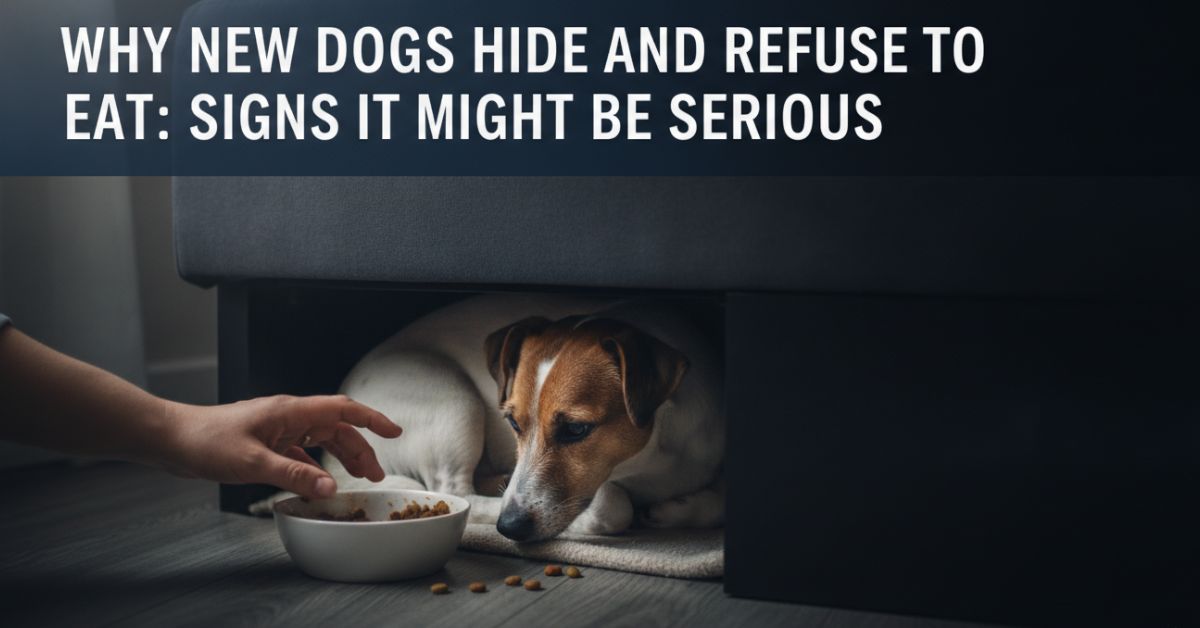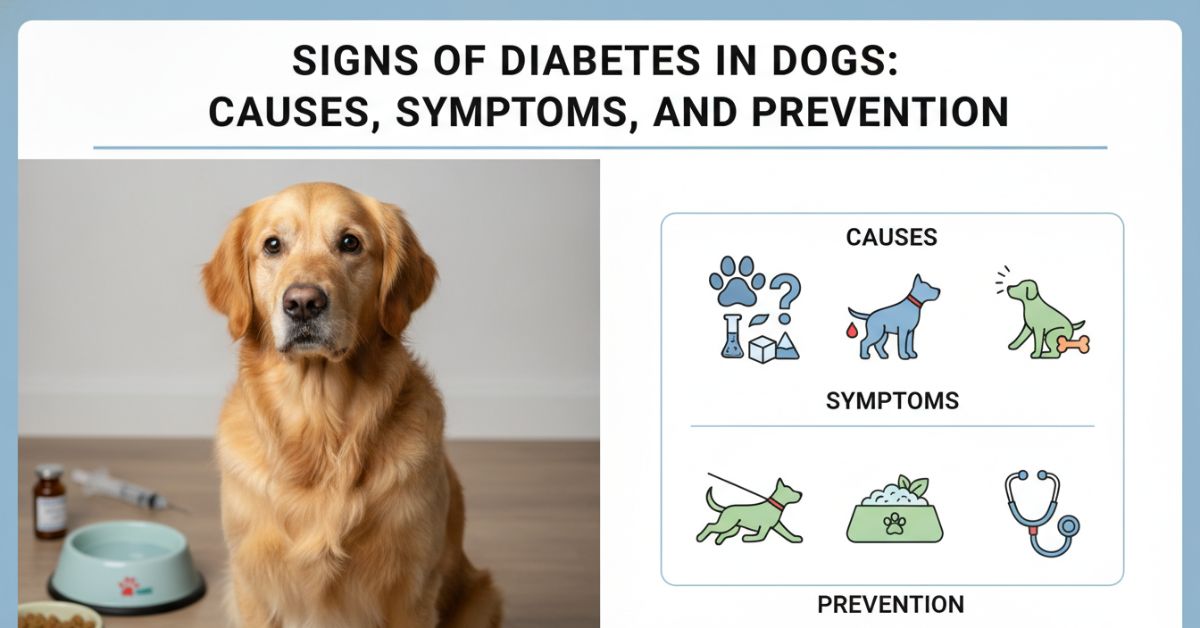

It can be worrying to see your pet refuse food, especially when they are already feeling unwell. Appetite loss is one of the most common signs that something is not right, and many pet owners feel unsure about what to do next. While some cases are mild and temporary, others may need more attention and care.
Understanding what to feed a sick dog or pet during this time can make a big difference in their recovery. The right food not only provides energy but also helps soothe their stomach and improve their overall condition. With a little care and the right choices, you can help your pet feel better and regain their appetite.
Why Do Pets Lose Their Appetite?
Pets may stop eating for several reasons, and it is important to understand the cause before making any changes to their diet. Illness, infections, or digestive problems are common reasons behind appetite loss. In some cases, stress or changes in the environment can also affect eating habits.
Another important factor is discomfort or pain. If your pet is not feeling well physically, they may avoid food altogether. Medication side effects can also reduce appetite temporarily. In situations like a dog upset stomach, pets may refuse food because eating can make them feel worse. Recognizing these causes helps you choose the right sick dog food that supports recovery without adding stress.
Signs Your Pet Is Not Eating Properly
Not all pets completely stop eating. Sometimes they may just eat less than usual or show little interest in food. You might notice leftover meals, slower eating, or a lack of excitement during feeding time.
Other signs include weight loss, low energy, or changes in behavior. These signals should not be ignored, as they can indicate that your pet needs care and attention. Observing these signs early allows you to adjust their diet and provide the best food for a sick dog’s recovery..
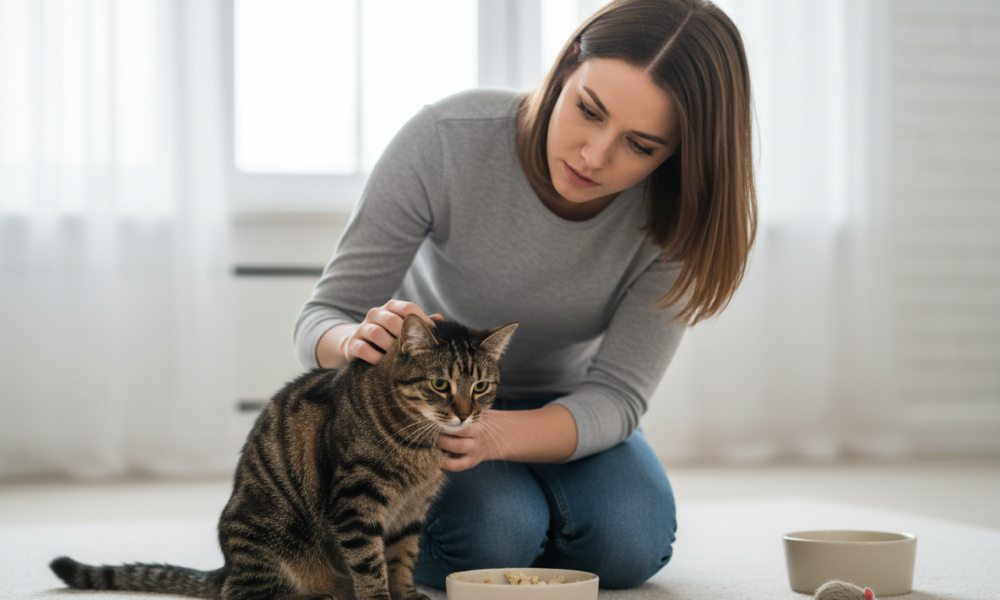
What to Feed a Sick Pet
Choosing the right food during illness is very important. The focus should be on simple, gentle, and nourishing options that are easy for your pet to digest.
Soft and Easy-to-Digest Foods
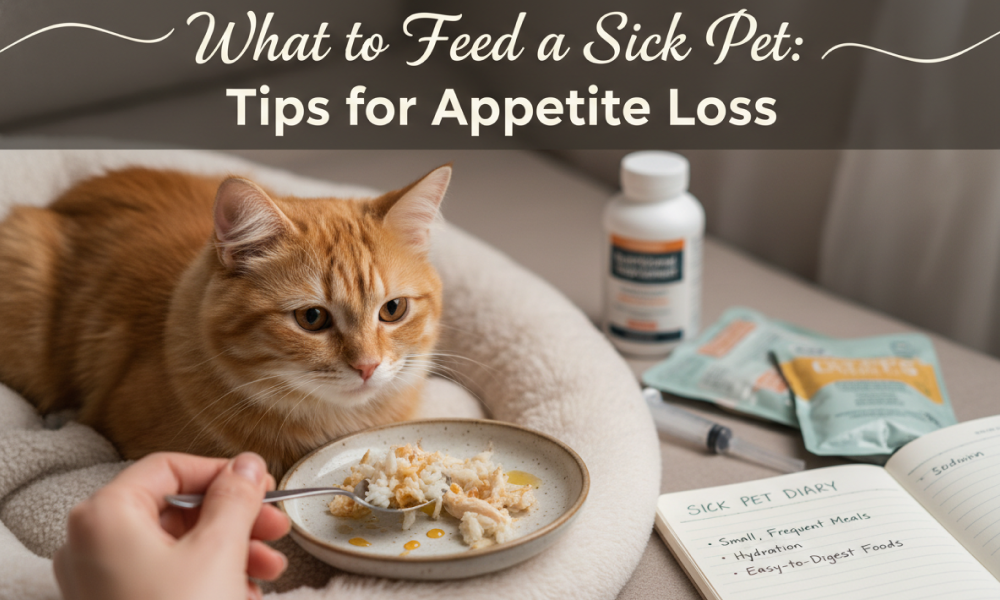
When your pet is not feeling well, heavy or rich foods can make things worse. Instead, offer easy-to-digest food for dogs, such as boiled chicken or plain rice. These foods are gentle on the stomach and provide basic nutrition without causing irritation.
Soft foods for sick pets are especially helpful because they are easier to chew and swallow. They also help pets who feel weak or tired regain some strength without putting pressure on their digestive system.
Hydrating Foods and Fluids
Keeping your pet hydrated is just as important as feeding them. Always make sure fresh water is available. You can also offer low-salt broth or wet food to increase fluid intake.
Hydration supports digestion and helps the body recover faster. In many cases, adding fluids alongside food for an upset stomach can make it easier for the pet to accept meals.
Small and Frequent Meals
Instead of offering large portions, try feeding small amounts throughout the day. This approach is easier on the stomach and helps improve appetite gradually.
Small, frequent meals also reduce the chances of vomiting or discomfort. This is one of the most effective ways to introduce sick dog food without overwhelming your pet.
Special Veterinary Diets
In some cases, your vet may recommend a special diet designed for recovery. These foods are carefully prepared to provide balanced nutrition and support healing.
If your pet is not responding to regular meals, switching to the best food for sick dog recovery under veterinary guidance can be very helpful.
Tips to Encourage Your Pet to Eat
Helping your pet regain their appetite requires patience and small adjustments to their feeding routine.
Warm the Food Slightly
Warming food slightly can enhance its smell, which often encourages pets to eat. A stronger aroma can make the food more appealing, especially when your pet is not feeling well.
Create a Calm Environment
A quiet and comfortable space can make a big difference. Pets are more likely to eat when they feel safe and relaxed. Reducing noise and distractions helps them focus on their meal.
Hand Feeding or Mixing Favorites
Sometimes, pets need a little encouragement. Offering food by hand or mixing in their favorite flavors can make meals more appealing. This simple step can help reintroduce soft foods for sick pets in a gentle way.
Stick to Routine
Even when your pet is sick, maintaining a feeding routine can help them feel secure. Regular meal times create a sense of familiarity and encourage better eating habits over time.
Foods to Avoid When Your Pet Is Sick
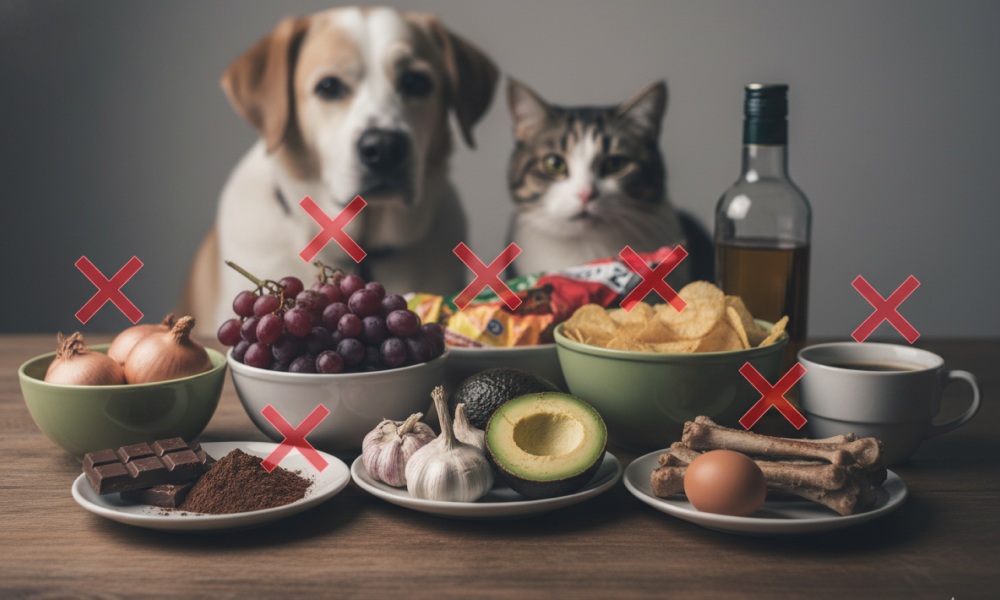
While trying to help your pet eat, it is important to avoid certain foods that can make the situation worse. Spicy, oily, or heavily seasoned foods should never be given to pets.
Human junk food can upset their stomach further and delay recovery. Sudden changes in diet should also be avoided, as they can cause additional discomfort. Choosing the best food for a sick dog’s recovery means keeping meals simple, gentle, and consistent.
When Your Pet Needs Veterinary Care
If your pet refuses to eat for more than a day or two, it is important to seek professional help. Symptoms like vomiting, diarrhea, or unusual weakness should not be ignored, as they may indicate a more serious issue.
Keeping a basic pet first aid kit at home can help you handle minor situations, but it cannot replace proper medical care. A veterinarian can assess your pet’s condition, suggest what to feed a sick dog, and provide the right treatment if needed.
Along with home care, having support from a trusted place like Allan Veterinary Clinic can make things much easier. Their experienced team can guide you on proper nutrition and care, helping your pet recover comfortably and regain their strength.
Conclusion
Taking care of a sick pet requires patience, attention, and the right approach to feeding. Choosing the right sick dog food and understanding your pet’s needs can help speed up recovery and improve their comfort.
Simple steps like offering easy to digest food for dogs, maintaining hydration, and following a gentle feeding routine can make a noticeable difference. Over time, your pet will begin to regain strength and appetite.