
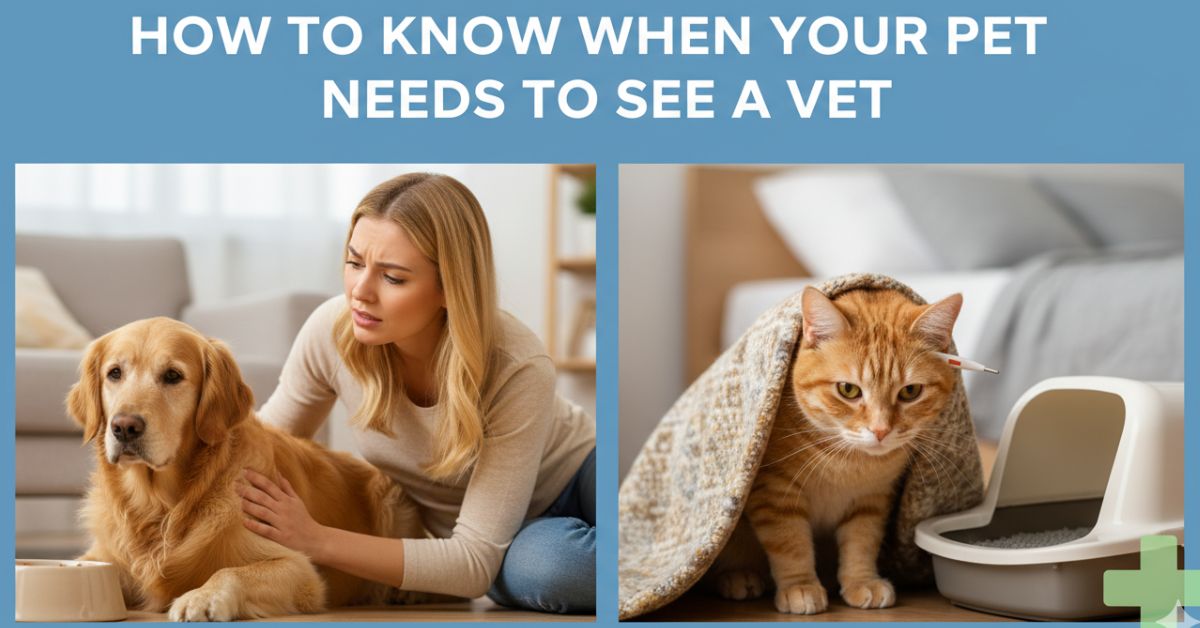
Living with a pet teaches you their routines, moods, and little habits. You know how fast they run to their bowl, how they react to your voice, and how they rest after play. Because you see them every day, you are also the first person who can detect when something feels off. The challenge is that animals cannot explain their discomfort clearly. They communicate through behavior, appetite, posture, and energy. Learning the signs your pet needs to see a vet helps you act early and avoid bigger health problems later.
Many owners wait too long because they hope the issue will pass on its own. Sometimes it does. Many times it does not. This guide walks you through practical signals, real examples, and simple decision rules so you can respond with confidence instead of guessing.
Why Small Changes Matter More Than Big Symptoms?
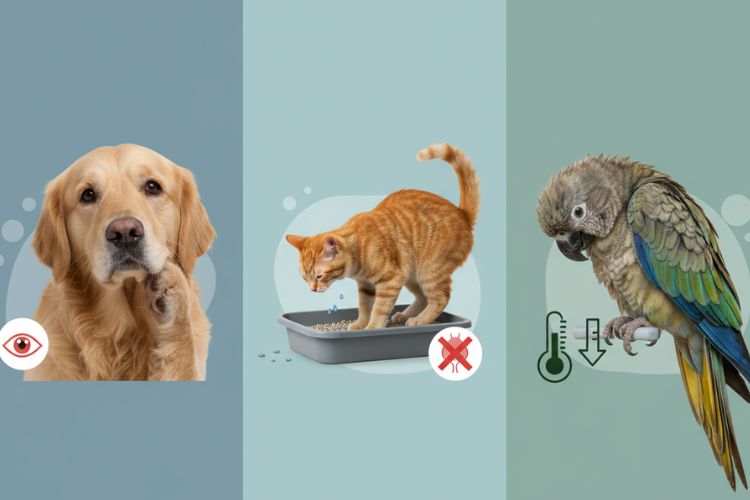
Most serious conditions do not begin with dramatic symptoms. They begin with small shifts that are easy to overlook. A quieter mood. A skipped meal. Less interest in play. These are often early pet health warning signs that appear before visible illness.
Pets also tend to hide weakness by instinct. Even domestic animals carry this behavior. A dog may still wag its tail while feeling unwell. A cat may keep walking normally while in discomfort. That is why observation matters more than waiting for obvious distress. Many early signs of illness in dogs and cats show up as pattern changes, not emergencies. When owners are unsure, a quick call to professional veterinary services can help them decide whether the symptom needs a visit or simple monitoring.
If you notice a difference that lasts more than a short time, it deserves attention. Duration and consistency are more important than drama.
Behavior and Personality Shifts You Should Not Ignore
One of the most reliable signs your pet needs to see a vet is a change in behavior that does not match their normal personality. Owners sometimes label this as moodiness, but animals usually change behavior for a reason.
A friendly dog that becomes irritable may be reacting to pain. A social cat that suddenly hides under the bed may feel weak or stressed physically. Some pets become unusually clingy when they feel unwell. Others withdraw and avoid contact. Restlessness, pacing, confusion, or new vocal sounds are also important clues.
These are classic pet health warning signs because they appear across many types of illness. When behavior changes combine with appetite or sleep changes, the need for evaluation becomes stronger. Trust what you see daily. You are comparing your pet to their normal baseline, which is more accurate than any checklist.
Appetite, Drinking, and Weight Clues
Food habits give very strong health signals. A healthy pet rarely stops eating without a cause. A sudden feeding change is one of the key signs your pet needs to see a vet.
If your pet refuses food for a full day, eats far less than usual, or struggles while chewing, you should not ignore it. Dental problems, digestive trouble, infection, and organ issues can all affect appetite. On the other hand, extreme hunger can also signal imbalance. The same goes for water intake. Drinking far more than normal is one of the important pet health warning signs linked to metabolic and kidney conditions.
Weight change without a diet change is another red flag. Slow weight loss often goes unnoticed until it becomes significant. Weighing your pet monthly at home is a smart habit that helps you catch hidden issues early.
Vomiting, Stool Changes, and Urination Patterns
Digestive upset happens occasionally, but repeated episodes are not normal. Ongoing stomach or bowel trouble ranks among the common signs of illness in dogs and cats.
If vomiting happens more than once in a day, if diarrhea lasts longer than 24 hours, or if you see blood in stool, you should call a clinic. Many owners ask how long they should wait. A simple rule works well. If the symptom repeats or continues, that is when to take your pet to the vet instead of watching at home.
Urination changes are equally serious. Straining, very frequent attempts, indoor accidents in a trained pet, or blood in urine all need medical review. Urinary blockage can become dangerous quickly. Do not delay care in that situation.
Movement, Posture, and Pain Signals
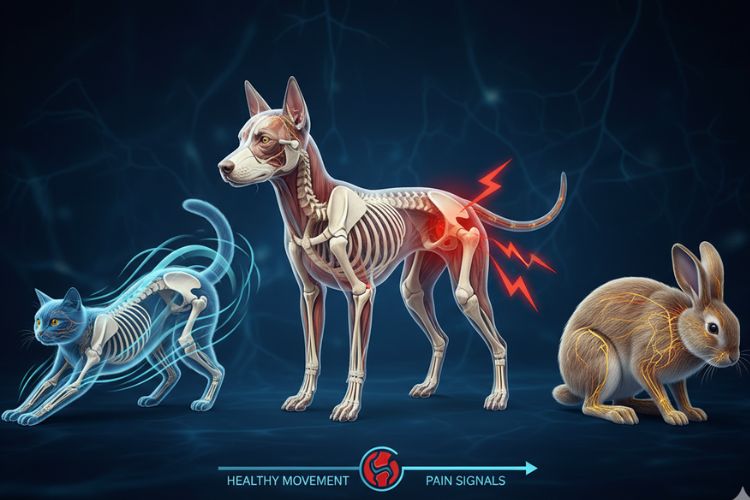
Healthy animals move freely and comfortably. When movement changes, pain is often involved. Limping, stiffness, slow rising, or hesitation before jumping are strong signs your pet needs to see a vet.
Many owners search how to know if their dog is in pain when they notice reduced activity. The answer is usually visible in body language. A dog in discomfort may guard one side, avoid touch, or change the way it sits. Shaking, tense posture, and frequent position changes also suggest discomfort.
If your pet avoids stairs, stops climbing onto furniture, or tires very quickly, do not assume it is just aging. Pain and joint disease are treatable, but only if evaluated. Mobility decline that lasts more than a short period should be checked.
Breathing, Coughing, and Energy Level Changes
Breathing should be smooth and quiet at rest. Fast or strained breathing is always concerning. Respiratory difficulty is one of the most serious signs that your pet needs to see a vet because it can worsen quickly.
Watch your pet when they are sleeping. If breaths are very rapid, noisy, or labored, that is not normal. Repeated coughing, wheezing, or heavy panting without activity also needs attention. Low stamina during short walks or play can signal heart or lung stress.
Breathing distress also helps answer how to know if your dog is in pain since oxygen difficulty often comes with anxiety, fatigue, and restlessness. Never delay evaluation when breathing looks abnormal.
Skin, Coat, Eyes, and Ears as Health Indicators
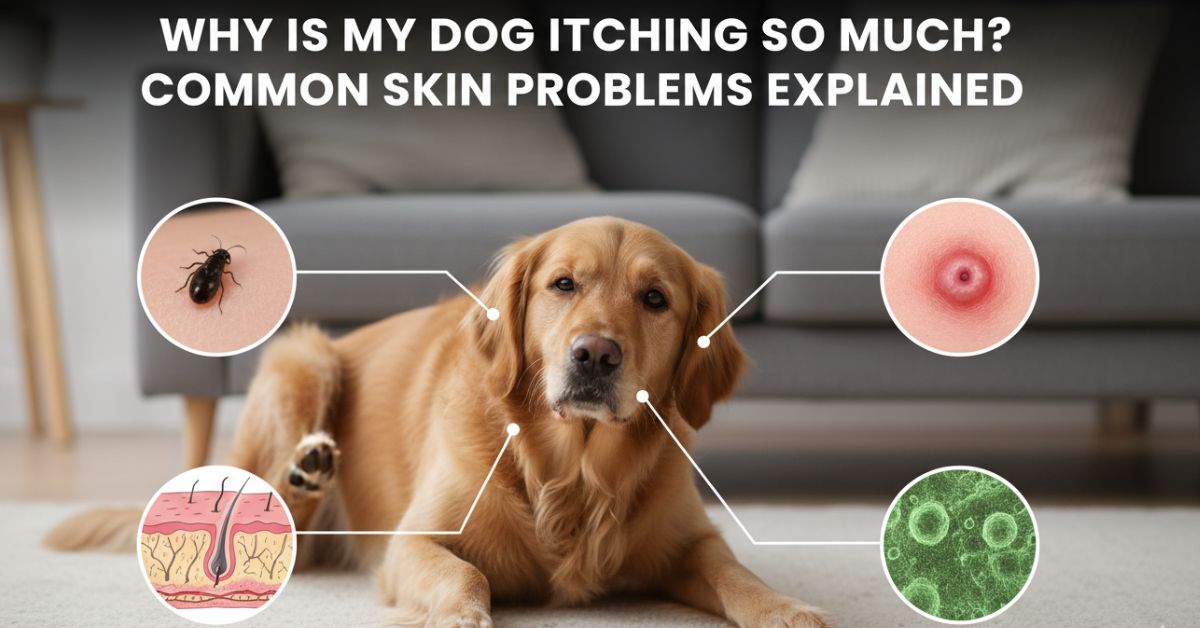
Your pet’s outer appearance often reflects inner health. Skin and coat problems are not only cosmetic. They are frequently medical. Persistent itching, hair thinning, redness, scabs, or unusual lumps are all signs of illness in dogs and cats.
Eye discharge, cloudiness, or constant squinting also deserve attention. Ear infections often appear through odor, head shaking, and scratching. During grooming or bathing, take a few extra minutes to examine your pet closely. That simple routine helps detect issues early.
These visible clues often appear alongside other pet health warning signs, which makes the decision to book a visit clearer.
Emergency Situations and Immediate Action
Some symptoms should never be observed at home. They require urgent professional care right away. A quick response can make a major difference in outcome and recovery time.
These include seizures, collapse, poison exposure, major injury, uncontrolled bleeding, repeated vomiting, and inability to urinate. A hard, swollen abdomen or sudden, extreme weakness also falls into this category. In these cases, the answer to when to take your pet to the vet is simple. Go immediately.
Basic pet first aid, such as keeping your pet calm and preventing further harm, can help during transport, but it is only temporary support, not treatment.
Making Smart Decisions Without Panic
Good pet care is not about panic. It is about informed attention. Not every sneeze is dangerous, but repeated patterns matter. If a symptom is strong, persistent, or combined with other changes, book an appointment. That is the safest approach.
Learning the signs your pet needs to see a vet gives you a working framework instead of guesswork. Watch behavior, appetite, movement, breathing, and appearance together, not separately. Patterns tell the real story.
A careful, observant owner catches problems earlier, gets faster treatment, and gives their pet a better quality of life. Your awareness is your pet’s first line of protection.