
Accidents with pets rarely come with a warning, and that is what makes them stressful. A normal walk can suddenly turn into a bleeding paw, a playful chew can become a choking risk, and a warm afternoon can quickly lead to overheating. In these moments, most owners feel panic first and logic later. That is exactly why learning pet first aid before an emergency happens is so important. Preparation changes how you react. Instead of freezing or guessing, you follow safe, simple steps that protect your pet until proper medical help is available.
This article is designed as a practical pet first aid guide for everyday pet owners, not medical professionals. You do not need technical knowledge to use it. You only need awareness and preparation. The goal is to help you understand what to do first, what to avoid, and how to keep your animal stable during those critical early minutes.
What Every Owner Should Understand About Pet First Aid?
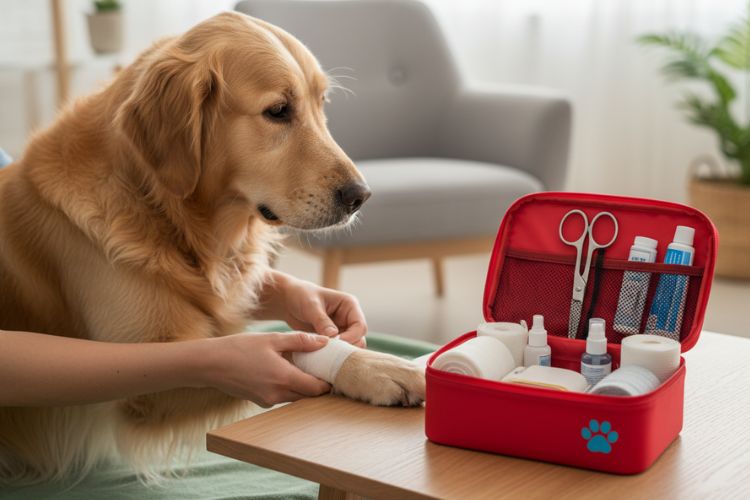
Before learning techniques, it helps to understand what pet first aid actually means. It is immediate, short-term support given during an injury or sudden illness before you reach a clinic. It is not full treatment and does not replace veterinary care. Its purpose is stabilization, such as slowing bleeding, supporting breathing, reducing shock risk, and preventing further harm during transport.
Many owners try to fully treat injuries at home, which can delay proper care and increase risk. Good pet first aid tips focus on safe steps and quick decisions, not perfect treatment. When you also recognize serious pet health warning signs, it becomes easier to judge urgency and respond correctly.
This knowledge is important because emergencies rarely happen at convenient times. They often occur at night or while traveling. The time before professional care is where your first response matters most. Basic preparation helps you stay calm and act faster when it counts.
Build a Pet First Aid Kit at Home
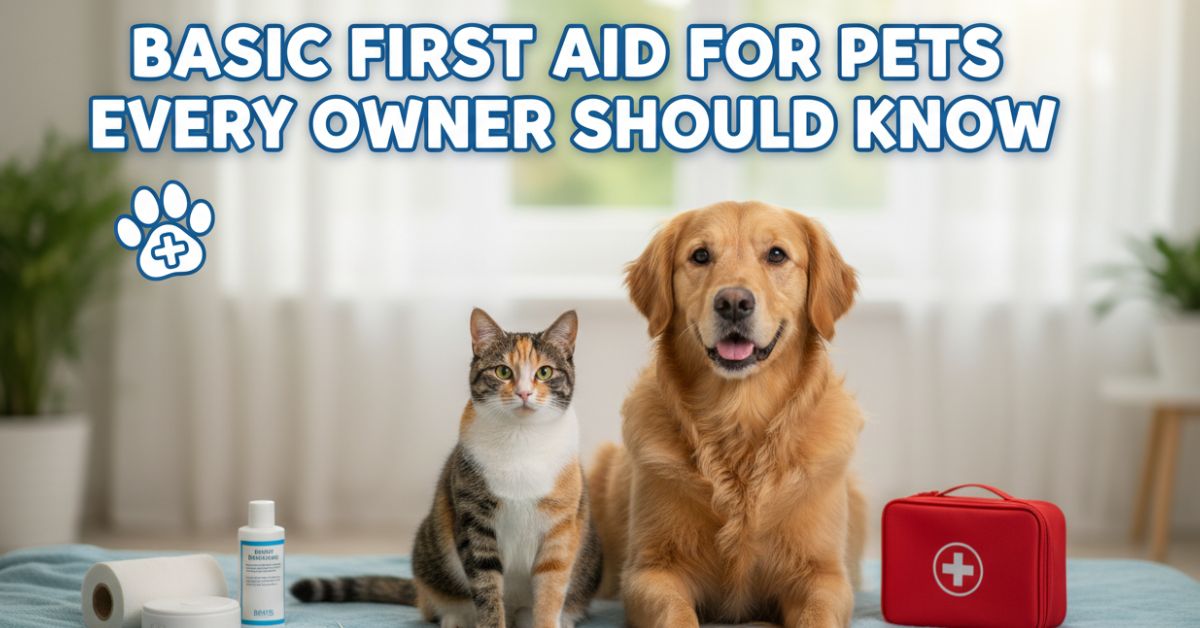
Preparation is not just about knowing what to do. It is also about keeping the right supplies ready before something goes wrong. Every pet owner should set up a stocked pet first aid kit and keep it in a fixed, easy-to-reach spot. During an emergency, running around to look for items only adds stress and wastes valuable time. When everything is already set up, you can step in quickly and handle the situation more calmly.
A dependable pet first aid kit should include basics like gauze, wraps, antiseptic liquid, saline rinse, gloves, tweezers, blunt scissors, and a thermometer. It is also smart to tuck in emergency contact numbers and your pet’s basic medical details. Check the kit from time to time and swap out expired or used items so nothing lets you down when you need it. This kind of readiness helps you carry out pet first aid smoothly because in urgent moments, being organized really pays off.
How to Check Your Pet in an Emergency?
When something goes wrong, many people rush straight into action. A safer approach is to pause briefly and observe before starting pet emergency first aid. A quick assessment prevents harmful mistakes. First, check that the environment is safe. Then observe breathing, awareness, and visible injuries. Look for bleeding, abnormal posture, or signs of severe distress.
Even normally gentle animals may bite when they are frightened or in pain, so approach slowly and use a towel barrier if needed. This early evaluation step is emphasized in every strong pet first aid guide because it helps you choose the correct response instead of reacting blindly.
First Aid for Common Pet Emergencies
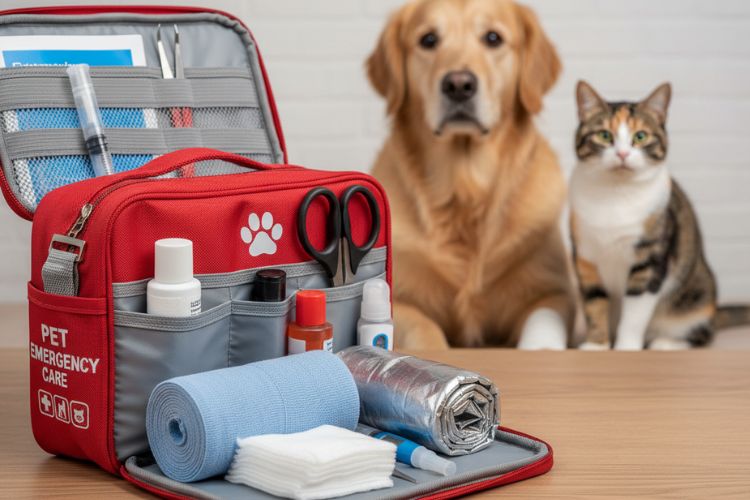
Pet emergencies often happen suddenly and can look more severe than they actually are, but quick and correct early action makes a real difference. The goal in these moments is not to fully treat the condition at home but to stabilize your pet and prevent the situation from getting worse before professional care is reached. Staying calm, handling gently, and following simple first-response steps can reduce complications and keep your pet safer during transport.
Cuts and Bleeding
Small cuts and open wounds are very common in pets, especially after outdoor walks or rough play. If you see blood, the first thing to do is stay steady and press down firmly on the spot using clean gauze or a soft cloth. Try not to keep checking every few seconds because pulling the cloth away can disturb clot formation and start the bleeding again. Keep steady pressure on for a few minutes without letting up. If the fabric gets soaked, layer another piece over it instead of taking the first one off. After the flow slows down, cover the area and get it checked, particularly if the injury looks deep, wide, or dirty.
Burns and Heat Exposure
Burns can happen from hot roads, tools, spilled liquids, or chemicals at home. Pets can also get overheated during hot weather. If you spot a burn, cool the area under normal running water for a few minutes to bring the heat down. Do not use ice directly because it can make the damage worse.
Skip creams, oils, or home fixes unless a vet tells you to use them. Try to stop your pet from licking or scratching the spot, and get it checked so a professional can look it over and treat it properly.
Choking Situations
When a pet is choking, the signs are usually obvious and frightening. You may see pawing at the mouth, distress sounds, or difficulty breathing. Only look inside the mouth if your pet allows it and the object is clearly visible. Blindly reaching inside can push the blockage deeper and increase danger. If the object is not easy to remove, focus on getting to emergency care quickly rather than attempting repeated risky removal attempts.
Poison Exposure
If you think your pet has taken in something toxic, act fast. Move them away from the source right away so they cannot take in any more of it. Do not try to make your pet throw up unless a professional tells you to go ahead, because that can sometimes make things worse.
Pick up the product container, label, or take a quick photo and bring it along to the clinic. This helps the medical team figure things out faster and start the right treatment without delay.
Broken Nails and Paw Injuries
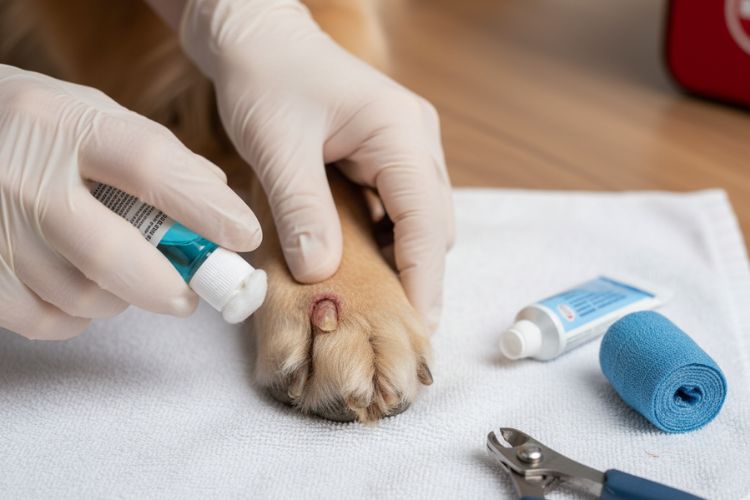
A broken nail or torn paw pad can look scary because it may bleed a lot, but you can handle the first steps calmly. Gently clean the area to wash off dirt and small particles. If it is still bleeding, press down lightly with clean gauze and give it a little time to slow down. Wrap the paw loosely to cover it up and keep it safe while you take your pet in for a check. Do not wrap it too tight because the paw can swell up and tight bandages can cut off flow. If your pet keeps holding the leg up, won’t walk on it, or keeps licking at the spot, it is better to get it checked instead of waiting it out.
Vomiting and Diarrhea
Digestive upset is fairly common, but repeated vomiting or diarrhea should not be ignored. Temporarily pause food for a short period while making sure your pet still has access to small amounts of water to prevent dehydration. Watch energy level and frequency of symptoms closely. If vomiting or diarrhea continues, appears severe, or includes blood, arrange a medical visit promptly rather than trying multiple home remedies.
What To Do If Your Pet Is Choking?
Choking situations can feel very scary because your pet is struggling to breathe. You may notice them pawing at the mouth, making harsh sounds, or trying hard to pull air in. First, try to stay calm and move in carefully, because a frightened pet may snap without meaning to. Pet first aid here means you only try to take out the object if you can clearly see it and easily reach it.
Do not blindly stick your fingers inside to fish it out. That can push the object further down and make things worse. If it does not come out quickly and safely, do not keep trying again and again. Get your pet in and head to the clinic right away. Quick transport is often the safest move. The aim is to cut down delay and get proper help fast, not to try risky fixes at home.
Handling Fractures and Sprains Safely
If you think your pet has a fracture or a bad sprain, do not try to fix or straighten the limb at home. Trying to set it back in place can make things worse and add more pain. The safer step is to keep movement low and support the body while you get ready to go to the clinic. You can use a folded towel, blanket, or a firm board to help carry your pet and keep things steady. This kind of careful handling is part of good pet primary care. First keep things stable, then move slowly and gently. Holding things in place is safer than trying to correct them yourself.
Heatstroke and Cold Exposure First Aid
Temperature emergencies can come on quickly. Pets can heat up fast in hot weather, while strong cold can slowly weaken them. In both cases, pet first aid should be done step by step, not with extreme methods.
If your pet is too hot, move them out of the heat and cool them down slowly with normal water and fresh air. If they are too cold, dry them off and wrap them up to warm them gradually. Avoid very cold or very hot shock treatments, since sudden changes can make things worse.
When First Aid Is Not Enough
Some warning signs should never be handled at home alone, no matter how careful you are with pet first aid. If your pet has seizures, passes out, may have been poisoned, keeps throwing up, or cannot pass urine, you should not wait it out. Early help at home can steady the situation, but it does not replace proper treatment. After your first steps, set off for the clinic as soon as you can. It also helps to call ahead so the team can get ready before you show up.
Mistakes Pet Owners Should Avoid
In emergencies, caring owners sometimes make the wrong moves without meaning to. It often happens because they panic and try to fix everything at once. Giving human medicine, scrubbing wounds too much, pushing food or water when a pet feels sick, or putting off a clinic visit after basic pet first aid can all make the situation worse. These actions usually come from fear, not carelessness. The best way to cut down these mistakes is to look over the basics ahead of time and keep a simple plan in mind. When you know what to do, you are less likely to rush in and mess things up.
Final Thoughts
Learning pet first aid is one of the most useful things you can pick up as a pet owner. It helps you stay steady, act faster, and handle early moments of trouble with more confidence. Keep your supplies set up, go over the basics now and then, and watch for changes in your pet’s behavior. Quick, calm steps in the first few minutes can really turn things around and help your pet pull through more safely.
Want a vet who treats your pet with real care and not just quick appointments? Allan Veterinary Clinic offers affordable, compassionate primary care, from routine checkups to dental and telemedicine visits, with a friendly team that talks you through everything and makes the whole visit feel easier for both you and your pet.