

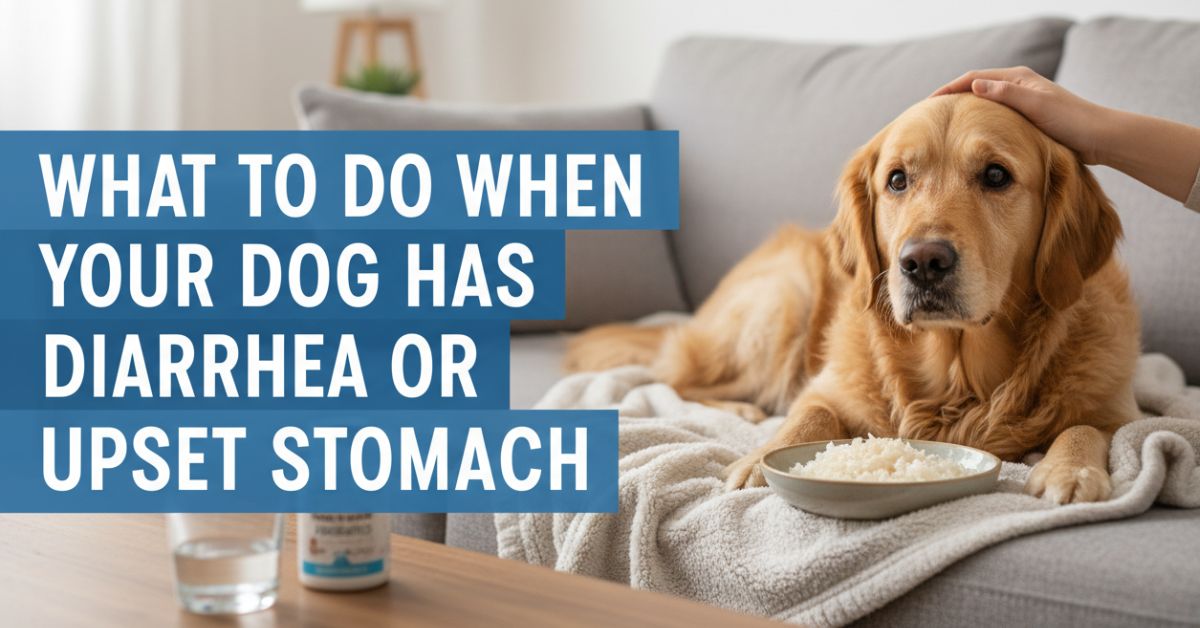
It often starts suddenly. Your dog, who seemed perfectly fine just hours ago, begins to show signs of discomfort, such as loose stools, low energy, or refusing food. Moments like these can make any pet owner anxious, especially when you are not sure what caused the problem or how serious it might be.
The reality is that a dog’s upset stomach is something most pet owners will deal with at some point. Dogs explore the world differently from humans, and their eating habits often expose them to things that do not sit well with their digestive system. In many cases, the issue is mild and improves with simple care at home. However, there are times when symptoms point to something more serious that requires professional attention.
This guide walks you through everything you need to know, from understanding the root causes to recognizing warning signs and learning how to respond effectively. By the end, you will feel more confident in handling your dog’s discomfort and knowing when to take the next step.
Common Causes of Diarrhea in Dogs
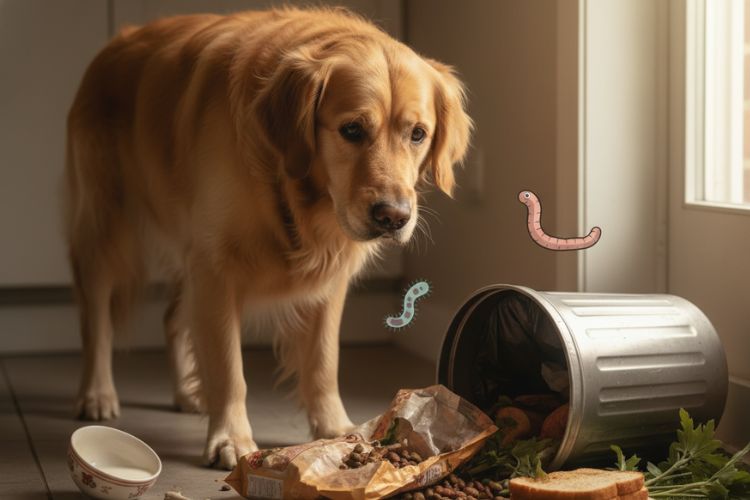
Understanding the Causes of pet diarrhea is the first step toward proper care. Without identifying what triggered the issue, it becomes difficult to treat it effectively or prevent it from happening again.
Diet-Related Causes
Many cases of a dog’s upset stomach begin with something they have eaten. Dogs are curious by nature and often pick up things they should not, such as leftover scraps, trash, or random items during a walk. These habits can easily disturb their digestive system and lead to loose stools or discomfort.
Another common reason is changing their food too quickly. A sudden switch in diet does not give the stomach enough time to adjust, which can result in digestive upset. Some dogs may also have food sensitivities or mild allergies to certain ingredients, causing recurring stomach issues over time.
Health-Related Causes
Not every stomach problem is linked to diet. In some cases, the cause is related to your dog’s overall health. Infections caused by bacteria or viruses can irritate the digestive system, while parasites such as worms can interfere with proper digestion.
Stress and anxiety can also affect your dog more than expected. Changes in routine, environment, or even separation can lead to stomach discomfort. In more serious cases, you might notice Dog vomiting and diarrhea happening at the same time, which can be a sign of a deeper health concern that needs attention.
Environmental Factors
Environmental exposure is another important factor. Dogs may drink contaminated water or pick up harmful substances from the ground. Even something as simple as chewing on an unknown object outside can trigger another episode of the dog’s upset stomach. These situations are especially common in puppies or highly active dogs.
Signs Your Dog Has an Upset Stomach
Recognizing early symptoms can make a big difference in how quickly your dog recovers. While diarrhea is the most obvious sign, there are several other indicators to watch for.
The most common signs of an upset stomach in dogs include loose or watery stools, vomiting, and a noticeable drop in appetite. You might also observe your dog becoming less active than usual or choosing to rest more often. Some dogs show signs of abdominal discomfort by whining, shifting positions frequently, or appearing restless.
In certain cases, symptoms may appear together, such as Dog vomiting and diarrhea, which can indicate that the digestive system is more severely affected. Paying attention to these changes helps you decide whether home care is enough or if veterinary help is needed.
What You Can Do at Home (Mild Cases)

When symptoms are mild, and your dog is still alert and responsive, you can take a few simple steps at home. Knowing how to help a dog with an upset stomach properly can prevent the situation from worsening.
Give the Digestive System a Break
Allowing the digestive system to rest can be very helpful. For adult dogs, a short fasting period of 12 to 24 hours gives the stomach time to recover. However, this approach should not be used for puppies unless advised by a vet.
Keep Your Dog Hydrated
Fluids are essential for helping your dog recover. When diarrhea occurs, the body loses water quickly, which can lead to weakness and dehydration. Make sure your dog always has access to fresh, clean water, and encourage them to take small sips throughout the day instead of drinking too much at once.
In some situations, a vet may suggest using electrolyte solutions to help restore lost minerals and improve recovery. Supporting proper hydration is one of the most important steps when managing a dog’s upset stomach naturally.
Feed a Bland Diet
Once your dog is ready to eat again, offer simple, easy-to-digest food. Boiled chicken without seasoning, plain white rice, or mashed pumpkin are excellent options. These foods are gentle on the stomach and help firm up stools gradually. Following this method is one of the most reliable ways of learning how to help a dog with an upset stomach naturally.
Monitor Their Condition
Observation is key during recovery. Keep track of stool consistency, watch your dog’s energy levels, and look for any new symptoms. If your dog shows improvement within a day, it’s likely a mild dog upset stomach that is resolving on its own.
When to See a Vet Immediately
While home care works for mild cases, certain symptoms should never be ignored. If your dog’s condition does not improve or begins to worsen, seeking professional help becomes necessary.
You should contact a vet if diarrhea lasts longer than 24 to 48 hours, if there is blood in the stool, or if vomiting becomes frequent and severe. Signs of dehydration, such as dry gums, weakness, or sunken eyes, are also serious and require immediate attention.
Puppies, senior dogs, and those with existing health conditions are more vulnerable and should be treated with extra caution. In these situations, visiting a pet urgent care facility can help prevent complications and ensure proper treatment. Persistent Dog vomiting and diarrhea should always be taken seriously.
Treatments Your Vet May Recommend
If veterinary care is needed, the treatment will depend on the underlying cause. Vets may prescribe medications to control diarrhea, reduce inflammation, or treat infections. In cases where parasites are involved, deworming treatments are commonly recommended.
For dogs that are dehydrated, IV fluids may be necessary to restore hydration levels quickly. Some dogs may also be placed on a special prescription diet designed to support sensitive digestion and promote healing.
Professional care not only treats the current issue but also helps prevent recurring dog upset stomach episodes by addressing the root cause.
How to Prevent Future Upset Stomachs?
Preventing future issues requires consistency and attention to your dog’s daily habits. Small changes can make a big difference in long-term digestive health.
Maintaining a stable diet is one of the most effective strategies. Sudden changes should be avoided, and any transition should be done gradually. Controlling what your dog eats is equally important. Keeping trash, leftovers, and harmful substances out of reach reduces the risk of digestive problems.
Regular vet visits also play a key role in prevention. Routine checkups, vaccinations, and deworming schedules help identify and manage potential Causes of pet diarrhea before they become serious.
Additionally, reducing stress by maintaining a consistent routine and providing a comfortable environment can support overall digestive health. This often overlooked factor can act as a powerful dog upset stomach remedy over time.
Final Thoughts
Dealing with a sick pet is never easy, but understanding what’s happening makes the situation much more manageable. A dog’s upset stomach is often temporary and treatable with simple steps, especially when caught early.
By recognizing symptoms, responding with the right care, and knowing when to seek help, you can protect your dog’s health and comfort. Paying attention to the signs of upset stomach in dogs and learning how to help a dog with an upset stomach gives you the confidence to act quickly and effectively.
Your dog relies on you for care and comfort, and even small actions can make a big difference in their recovery and overall well-being.
Are you looking for a vet clinic that truly treats your pet like family? Allan Veterinary Clinic offers compassionate, affordable care designed around your pet’s real needs. From routine checkups and vaccinations to dental care and same-day visits, their experienced team focuses on honest guidance and stress-free service. Conveniently located and welcoming new patients, they make quality veterinary care simple, transparent, and accessible for every pet owner.
FAQs
What are the most common causes of pet diarrhea?
There are several possible reasons behind digestive issues in dogs. The most common Causes of pet diarrhea include sudden food changes, eating spoiled items, infections, parasites, and stress. Environmental exposure, such as drinking dirty water, can also trigger stomach problems.
Should I feed my dog or let them fast during an upset stomach?
In many mild cases, a short fasting period can help the digestive system reset. After that, you can slowly reintroduce light food. This approach is often recommended when learning how to help a dog with an upset stomach safely. However, puppies should not be fasted without professional advice.
Is it normal for a dog to have vomiting and diarrhea at the same time?
It can happen, but it should always be taken seriously. Dog vomiting and diarrhea together may indicate infection, toxins, or a more serious digestive issue. If both symptoms continue for more than a day, it is best to consult a vet.
How long does a dog’s upset stomach usually last?
Most mild cases of dog upset stomach improve within 24 to 48 hours with proper care. If symptoms continue beyond this timeframe or new issues appear, it may be a sign that medical attention is needed.
How do I know if my dog’s stomach problem is serious?
It becomes serious when symptoms last longer than expected or worsen over time. Watch for warning signs such as blood in stool, repeated vomiting, extreme weakness, or dehydration. These are not typical signs of an upset stomach in dogs and should not be ignored, especially if your pet is very young or older.