

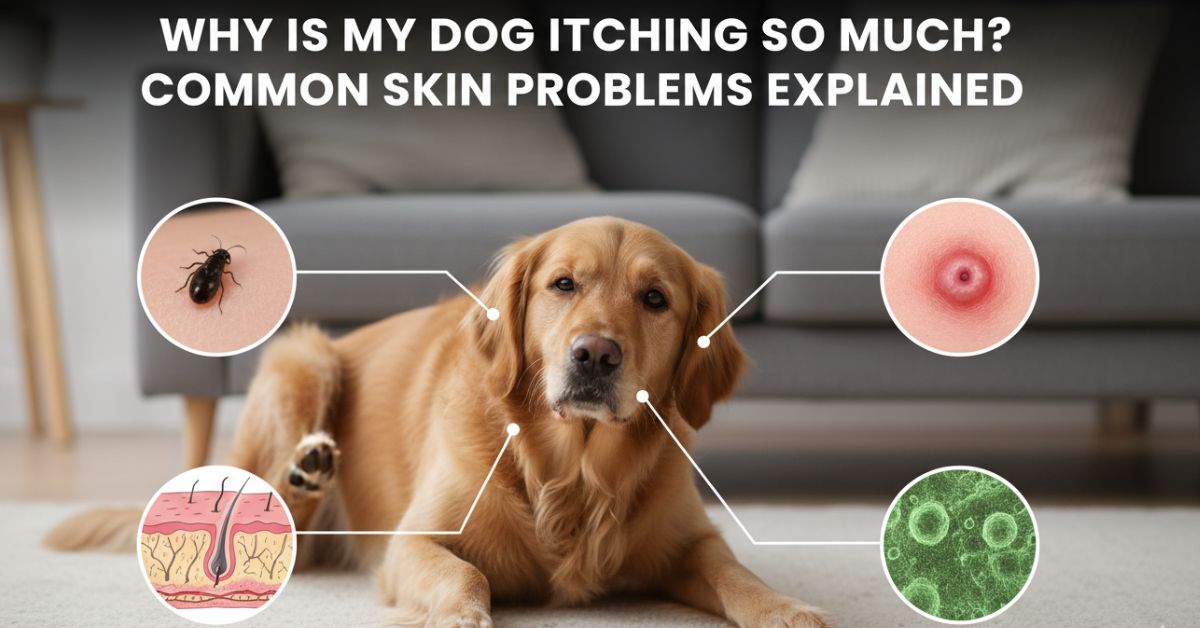
You’re sitting at home, and suddenly you notice your pet scratching again. A few minutes later, it happens again. Then comes the paw chewing, the rubbing on furniture, and the restless movement. When dog itching becomes constant, it is more than a small nuisance. It usually means something is irritating your pet’s skin and needs attention.
Many owners assume fleas are the only reason behind their dog’s itching. That is a common belief, but it is not always correct. There are several possible dog itching causes, and each one needs a different approach instead of a one-size-fits-all fix.
In this guide, you will learn what can trigger repeated scratching, which warning signs deserve attention, what you can safely check at home, and when a veterinary visit makes the most sense. The goal is to help you understand the pattern of dog itching and respond in a simple, practical way.
When Scratching Is Normal and When It Is Not?

Every pet scratches sometimes. An occasional itch is part of normal behavior. The concern starts when the dog’s itching becomes frequent, intense, or focused on the same body spot again and again.
You should look closer if your dog keeps scratching throughout the day or wakes up from sleep just to scratch. Repeated licking, biting the skin, or dragging the body across the floor are also red flags.
Healthy pets scratch briefly and move on. If the action looks urgent or never seems to stop, there is likely an underlying trigger.
The Most Common Dog Itching Causes
Understanding dog itching causes helps you respond faster and smarter. Most long-term scratching comes from one of these groups.
Parasites and Tiny Biting Pests
Fleas are still one of the top reasons behind dog itching. Ticks and mites also create strong irritation. Even well-groomed indoor pets can pick them up during short outdoor walks.
Typical signs include scratching near the tail area, sudden biting at the back, and tiny dark specks in the fur. Some pets react strongly to even a few flea bites, which makes the itching feel extreme. Parasite-related dog itching often starts quickly and becomes intense within days.
Allergies From Food or Environment
Allergies are another major source of trouble and a common reason for dog itching. Many dogs with itchy skin react to something in their diet or their surroundings.
Food reactions often come from common proteins such as chicken or beef. Environmental triggers include pollen, grass, dust, and mold. These allergens create inflammation under the skin, which leads to repeated scratching and discomfort. In many cases, this ongoing irritation is why a dog keeps scratching without a clear visible cause.
If symptoms appear during certain seasons or after meals, allergies move higher on the suspect list. This pattern is one of the most frequent dog itching causes seen in clinics.
Dryness and Skin Barrier Damage
When the skin loses its natural moisture, it gets easily irritated and uncomfortable. Changes in weather, too much indoor heating, or harsh grooming products can wash away protective oils. Once that outer layer is worn down, flaking and skin irritation in dogs can start to show up.
You may notice dandruff, a dull or rough-looking coat, or light but constant scratching that does not fully stop. Some owners try to fix the problem by bathing their pet more often, but that can backfire. Too many baths can dry the skin out further and make dog itching flare up instead of settle down. Using gentle products and spacing out baths usually helps calm things down.
Bacterial and Yeast Overgrowth
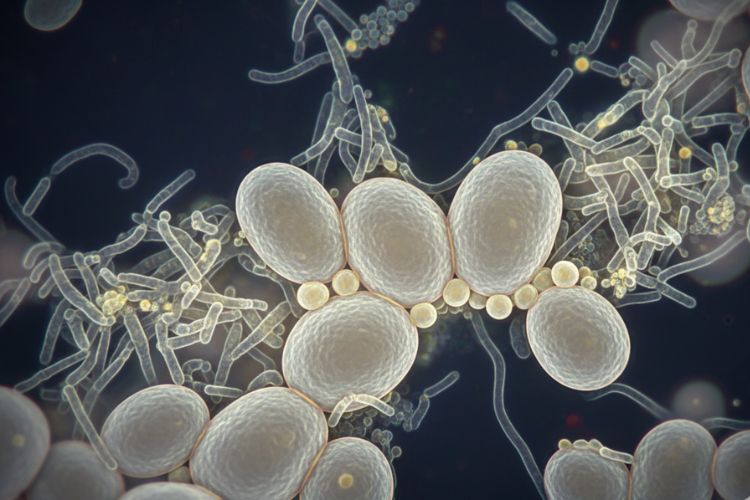
When constant dog itching damages the skin surface, bacteria and yeast can grow more easily. These microbes take advantage of small breaks in the skin and create infections that increase irritation.
Warning signs include a strong odor, sticky patches, darkened areas, and a greasy texture on the coat. Ears and skin folds are common trouble spots. Many itchy-skinned dogs develop a secondary infection after a long period of scratching, which makes the discomfort worse and causes the dog to keep scratching.
In these situations, proper treatment of the infection is necessary before the dog’s itching starts to improve.
Scratching Location Gives Important Clues
The place where your pet scratches most often can reveal useful hints about possible dog itching causes. The body location, along with the type of scratching or licking behavior, often helps narrow down what might be triggering the discomfort.
Frequent ear scratching is usually connected with allergies or a yeast imbalance inside the ear canal. Paw chewing is commonly seen in itchy skin dogs, especially when environmental triggers like grass, pollen, or dust are involved. Redness on the belly may develop after outdoor contact with plants or recently treated lawns. Irritation around the tail base often points toward fleas or other biting parasites.
If your dog keeps scratching one specific zone again and again, take a few minutes to examine that area carefully under good lighting. Look for redness, bumps, flakes, or tiny moving specks, since these small details often point to the real cause.
Early Signs of Skin Irritation in Dogs
Minor symptoms often show up before a serious skin problem develops. Spotting skin irritation in dogs at an early stage can help prevent bigger complications and reduce ongoing dog itching. Small visible changes are usually the first signal that something is bothering the skin.
Watch for pink patches, tiny raised bumps, thinning hair, or early scab formation. The affected area may feel warmer than the surrounding skin and slightly sore to the touch. When dog itching continues for several days, these surface changes usually begin to appear and slowly spread if ignored.
Do not overlook mild redness or light swelling. These early warning signs may seem harmless, but they often become worse when the root cause is not identified and treated on time.
What You Can Safely Check at Home?
Before assuming the worst, do a simple home check. Many dog itching clues are visible. Part the fur and look closely at the skin. Check between the toes. Smell the ears. Inspect under the collar. Think about recent changes such as new treats, new shampoo, or new bedding. If your dog keeps scratching after a food change, diet sensitivity becomes more likely.
Smarter Bathing Habits
A proper bath can calm irritation when done correctly. Use gentle pet shampoo and rinse very well. Leftover product residue can increase dog itching.
Avoid strong fragrances and harsh cleaners. Do not bathe too frequently unless your vet advises it. Balanced grooming supports healthier skin and reduces skin irritation in dogs.
When Professional Care Is Needed
Some situations should not be handled with guesswork. Book a visit if the dog’s itching leads to bleeding, open sores, bad smell, sleep disturbance, or behavior change.
Also, seek help if your dog keeps scratching despite your home checks and basic care. Long-lasting irritation rarely resolves on its own. Vets use structured testing to identify dog itching causes instead of guessing. This may include skin tests, diet trials, and microscopic exams.
For allergy cases, a proper Dog Allergy treatment plan can be designed once the trigger is confirmed.
Prevention Makes a Big Difference
Prevention lowers repeat episodes of dog itching. Consistent parasite protection, quality nutrition, mild grooming products, and clean bedding all help.
Wiping paws after outdoor walks reduces allergen exposure. Monitoring diet makes reactions easier to track. These simple habits reduce the risk for many itchy skin dogs.
Final Thoughts
Constant scratching is not just a habit. It is a message. Dog itching usually signals parasites, allergies, infection, or dryness. The sooner the cause is identified, the faster relief comes.
If your dog keeps scratching or shows signs of discomfort, do not rely on trial and error. A proper exam saves time and prevents complications.
For thorough skin evaluations and personalized care, Allan Veterinary Clinic provides professional support and practical treatment guidance to keep pets comfortable and healthy.